


SKU #61086
·
35 views
Sugar beet KASKAD 3
Sugar Beet
Фгбну Внии Сахарной Свеклы И Сахара Имени А.Л.МазлумоваUser rating
0 votes0% positive reviews
No ratings yet — be the first.
Direction Type
Sugar-type (Z)
Root vegetable; size
Large
Root; shape
Conical
Sugar Content
17-18%
About product

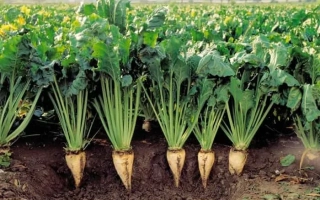
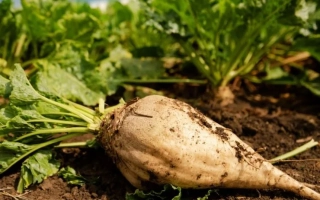
KASKAD 3 is a hybrid of sugar beet Beta vulgaris L. ssp. vulgaris var. saccharifera Alef, intended for cultivation in the Central, Volga-Vyatsk, Central Black Earth, and North Caucasus regions. It belongs to a one-seeded anisoploid on a sterile E-type basis and is characterized by early maturity with a vegetative period of 130-140 days. The leaf rosette is spreading, and the root is conical with a…
Direction Type
Sugar-type (Z)
Root vegetable; size
Large
Root; shape
Conical
Sugar Content
17-18%
Description
KASKAD 3 is a hybrid of sugar beet Beta vulgaris L. ssp. vulgaris var. saccharifera Alef, intended for cultivation in the Central, Volga-Vyatsk, Central Black Earth, and North Caucasus regions. It belongs to a one-seeded anisoploid on a sterile E-type basis and is characterized by early maturity with a vegetative period of 130-140 days. The leaf rosette is spreading, and the root is conical with a mass ranging from 480 to 532 grams and a soil burial depth of up to 90%. The average yield of roots reaches 361-375 c/ha depending on the region, with sugar content varying from 17.5% to 18.3%, ensuring a high level of sweetness and sugar collection up to 53.9 c/ha.
The KASKAD 3 hybrid is distinguished by increased productivity and resistance to a number of diseases. It exhibits high resistance to root and cellar rot, as well as to cercosporosis and diseases of the leaf apparatus. At the same time, the variety is moderately affected by powdery mildew and is susceptible to rootworm. The drought resistance of the hybrid allows for successful cultivation under various climatic conditions, making it a universal choice for sugar production.
KASKAD 3 is intended for medium and late harvesting dates, which allows optimizing crop collection and improving raw material quality. Due to the combination of high yield, sweetness, and disease resistance, this hybrid is an effective solution for farmers seeking to obtain a stable and high-quality sugar beet crop.
The KASKAD 3 hybrid is distinguished by increased productivity and resistance to a number of diseases. It exhibits high resistance to root and cellar rot, as well as to cercosporosis and diseases of the leaf apparatus. At the same time, the variety is moderately affected by powdery mildew and is susceptible to rootworm. The drought resistance of the hybrid allows for successful cultivation under various climatic conditions, making it a universal choice for sugar production.
KASKAD 3 is intended for medium and late harvesting dates, which allows optimizing crop collection and improving raw material quality. Due to the combination of high yield, sweetness, and disease resistance, this hybrid is an effective solution for farmers seeking to obtain a stable and high-quality sugar beet crop.
Video · 1 video
Suggest a video →Crop & resistance
Crop
Disease resistance
Specifications hover over for a hint about the specification
| Direction Type | |
|---|---|
| Root vegetable; size | |
|
Root; shape
Root; shape
Roots can be round, elongated-round, cylindrical, conical. |
|
| Sugar Content | 17-18% |
| Registration year | 2006 |
| Catalog | Catalog → Sugar Beet |
| Manufacturer | Фгбну Внии Сахарной Свеклы И Сахара Имени А.Л.Мазлумова |
| Country | Russia |
Store offers
Prices are updated on loadLoading offers…
Aggregator catalog: prices are collected automatically from store websites, normalized by AI and converted at the current exchange rate. Before ordering, confirm the price and availability on the store's website. This block is not indexed by search engines — the data is loaded after the page opens.
Not yet комментариев. Be the first!
Alternatives
Sugar beet seeds · similar varieties







See also
Often considered together with this variety





Recently viewed
Products you’ve viewed on this site
Reviews · 0