


SKU #66310
·
28 views
FOOD 614
Sorghum
Rossorgo Research InstituteUser rating
0 votes0% positive reviews
No ratings yet — be the first.
Direction
Grain, Hay, Silage
Vegetation Period
100-110 days
Grain; Protein Content
11-12%
Grain; Starch Content
60-70%, 70-80%
Store offers · 3 from 2 stores
Prices are updated on loadLoading offers…
Available at: Bat Opt · Vetapteka Vinnica
Aggregator catalog: prices are collected automatically from store websites, normalized by AI and converted at the current exchange rate. Before ordering, confirm the price and availability on the store's website. This block is not indexed by search engines — the data is loaded after the page opens.
About product

Sorghum variety Food 614 is intended for food use, in particular for the production of grain products, as well as for feeding various types of agricultural animals, poultry, and fish. This variety belongs to medium-early and medium-late types; the period from germination to full grain maturity ranges from 100 to 115 days. Plants reach a height of 95 to 112 cm, characterizing them as short or mediu…
Direction
Grain, Hay, Silage
Vegetation Period
100-110 days
Grain; Protein Content
11-12%
Grain; Starch Content
60-70%, 70-80%
Description
Sorghum variety Food 614 is intended for food use, in particular for the production of grain products, as well as for feeding various types of agricultural animals, poultry, and fish. This variety belongs to medium-early and medium-late types; the period from germination to full grain maturity ranges from 100 to 115 days. Plants reach a height of 95 to 112 cm, characterizing them as short or medium-statured with slender stems. Wide-row sowing is recommended with a row spacing of 70 cm and a plant density of 100,000 to 270,000 plants per hectare, depending on growing conditions. The grain yield of the Food variety varies from 2.8 to 3.8 tons per hectare, which corresponds to 28 to 38.6 centners per hectare according to various sources. The weight of 1000 grains ranges from 22.3 to 33 grams. The grain is characterized by a high starch content ranging from 65% to 78%, as well as a significant protein content ranging from 12.9% to 15%. These indicators make the variety valuable for both the food industry and feed production. Moreover, the variety demonstrates resistance to diseases such as fusarium and stem charcoal rot, which enhances its reliability in agronomy. The Food variety is well adapted to various climatic conditions and is recommended for cultivation in northern and western regions. It withstands grazing by migratory birds well, which is important for southern areas. High green mass yield ranging from 11.5 to 18.7 tons per hectare allows for its use in bioenergy and feed production as well. The optimal seeding rate is from 3.5 to 4.6 kg of viable seeds per hectare, which ensures effective plant development and maximum utilization of the agronomic potential of the variety.
Crop & resistance
Crop
Disease resistance
Specifications hover over for a hint about the specification
|
Direction
Direction
Existing varieties and types of cabbage are grown for fresh consumption, long-term storage, and technical processing. |
|
|---|---|
| Vegetation Period | 100-110 days |
| Grain; Protein Content | 11-12% |
| Grain; Starch Content | 60-70%, 70-80% |
| Plant; height | 90-100cm, 100-110cm |
| Registration year | 2000 |
| Catalog | Catalog → Sorghum |
| Manufacturer | Rossorgo Research Institute |
| Legal data |
Show · 11
|
| Country | Russia |
Not yet комментариев. Be the first!
Alternatives
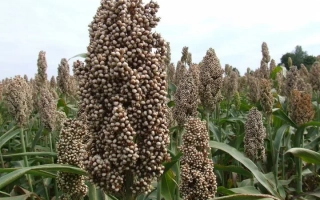
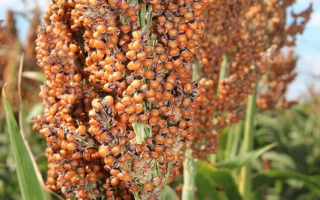
Sorghum seeds · similar varieties





See also
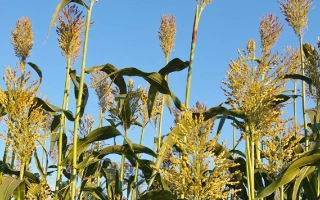
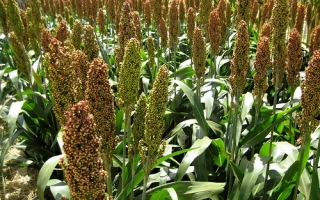
Often considered together with this variety





Recently viewed
Products you’ve viewed on this site
Reviews · 0