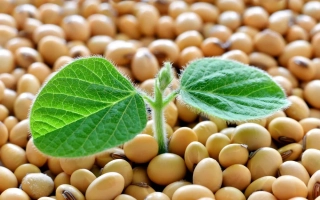
Betty soy variety is a large-seeded crop with maturity group 00+, characterized by high yield and vigorous early growth. Plants have a compact height of 65-82 cm, facilitating agronomic operations and reducing lodging risk. The vegetation period is approximately 117 days, allowing effective use of the variety in various climatic zones, including steppe, forest-steppe, and meadow regions.
Betty variety exhibits high resistance to adverse conditions and diseases such as bacterial blight, downy mildew, ascochitosis, septoria, and sclerotinia. Thanks to these qualities, along with resistance to shattering and lodging, the variety ensures stable and high yields. A key feature is the positive effect of seed inoculation, which promotes increased plant height, improved lower pod attachment, and enhanced number and weight of pods, ultimately increasing productivity up to 2.3 t/ha.
Seed quality indicators of the Betty variety are also impressive: protein content ranges from 40 to 43%, and oil content from 18 to 21%. The recommended planting density is 450-650 thousand plants per hectare, ensuring optimal land use and maximum productivity. All these characteristics make the Betty variety an attractive choice for farmers seeking high-quality and stable soybean yields.