


Prices in stores
No offers yet — stores have not added prices for this product yet.
Similar varieties with prices
-
Currency
from 0.55 €per 1 kg
-
 Valentia
from 15.76 €за л
Valentia
from 15.76 €за л
-
 NS ApoloINSTITUT ZA RATARSTVO I POVRTARSTVO
from 0.59 €per 1 kg
NS ApoloINSTITUT ZA RATARSTVO I POVRTARSTVO
from 0.59 €per 1 kg
-
 ZlatoslavaKirovohrad State Agrarian
from 5.32 €
ZlatoslavaKirovohrad State Agrarian
from 5.32 €
Growing Season
90-100 days
Plant: plant height
80-90cm, 90-100cm
Plant: Height of Lower Pod Attachment
10-12cm
Seeds: oil content
21-22%
Your mark
0 votes
0% positive ratings
About product
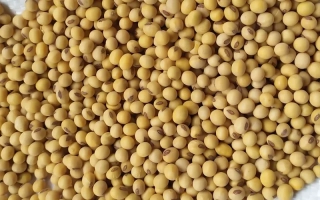
An early-maturing variety with high protein content and robust resistance to a wide spectrum of fungal diseases.
Description
Genetic Protection and Yield Potential
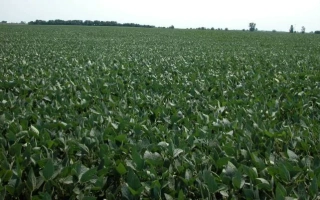
The Volta soybean variety from the Canadian breeding company Semences Prograin is a prime example of adaptive plant material focused on stable production in temperate climates. The key feature of this variety is the combination of early maturity and high concentrations of nutrients, which is critical for farmers working in regions with short growing seasons.
Biological Parameters and Morphology
Volta has a vegetative period of 90–100 days, allowing it to fit into intensive crop rotations. The plant's morphological characteristics are balanced for mechanical harvesting: the plant height ranges from 80 to 100 cm, and the lower pod attachment height is 10–12 cm. This design choice minimizes grain losses during harvesting, which directly impacts total yield volume.
Phytosanitary Resistance
Breeder Eric Gagnon's work focuses on high resistance to key pathogens. Volta demonstrates comprehensive protection against a complex of diseases:
- Downy mildew and Phytophthora root rot: Genetic resistance reduces the need for fungicide treatments.
- Septoria, Mycosphaerella blight, and brown spot: Limiting the spread of these fungal infections helps maintain leaf photosynthetic area until physiological maturity.
- Fusarium: The variety is resistant to root rot, ensuring stable plant population density.
Grain Quality Indicators
Analysis of the seed composition shows high marketability: protein content reaches 39–41%, and oil content is 21–22%. These figures make the variety attractive for processing plants aiming to produce high-protein meal and high-quality soybean oil. Investing in high-quality Volta seed is insurance against risks associated with weather stress and field pathogen pressure.
Crop & resistance
Crop
Disease resistance
Specifications
| Growing Season | 90-100 days |
|---|---|
| Plant: plant height | 80-90cm, 90-100cm |
| Plant: Height of Lower Pod Attachment | 10-12cm |
| Seeds: oil content | 21-22% |
| Seeds: protein content | 39-41% |
| Registration year | 2017 |
| Catalog | Catalog → Soybean |
| Manufacturer | Semences Prograin Inc |
| Legal data |
Show · 2
|
No reviews yet. Be the first to share your experience.
Alternatives
Soybean seeds · similar varieties




See also
Often considered together with this variety


Recently viewed
Products you’ve viewed on this site
Reviews