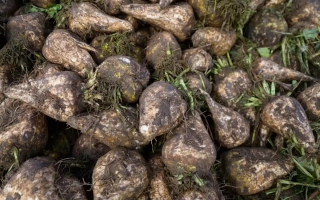
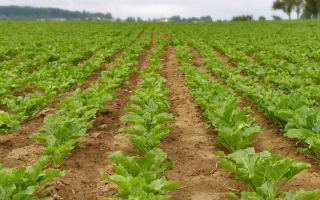
RENO is a nematode-resistant sugar beet hybrid with high yield potential and elevated sugar content, reaching 17.7%. It is characterized by rapid early germination and high plasticity to various growing conditions, making it the optimal choice for regions with saturation in the crop rotation of sugar beets and potatoes. The hybrid is resistant to diseases such as rhizomania, cercosporosis, and aphanomycetous rot, which contributes to stable and high-quality yields. The recommended planting density is 100-115 thousand plants per hectare, and root crop yield reaches 83 tons per hectare. Growing zones include Polesie, Forest-Steppe, and Steppe.
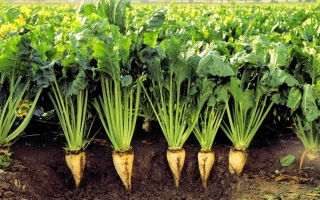
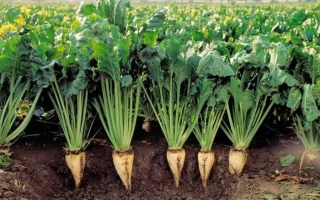
The plant has a medium-sized leaf rosette with a sprawling shape and dark green leaf color. The root crop is oval-cone shaped, with soil depth of approximately 85%, which ensures good stability and storage quality. The hybrid is distinguished by drought and cold resistance, as well as good storage life, which allows recommending it for medium-term harvest collection.
For successful cultivation of RENO, it is important to consider optimal temperature conditions: seeds can germinate at temperatures from +5°C, although the most favorable range is considered to be 13-15°C. Light deficiency negatively affects sugar content and yield, so it is recommended to provide plants with sufficient lighting. Modern sugar beet varieties, including RENO, are capable of maintaining high sugar levels, which makes them in demand in agricultural production.