
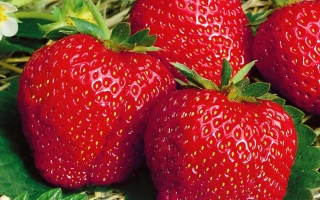

SKU #47977
·
74 views
Pocahontas
Wild Strawberry, Strawberry
User rating
0 votes0% positive reviews
No ratings yet — be the first.
Fruiting
Vigorous variety
Ripening Period
Average (40-50)
Berry Color
Bright red
Berry Shape
Conical
About product

A time-tested American classic offering superior disease resistance, drought tolerance, and consistent productivity for versatile use.
Fruiting
Vigorous variety
Ripening Period
Average (40-50)
Berry Color
Bright red
Berry Shape
Conical
Description
Pocahontas: A Legacy of American Strawberry Breeding
The "Pocahontas" strawberry is a classic variety originating from American breeding programs that has secured its place in European and Ukrainian gardens through decades of reliable performance. Unlike many fragile modern hybrids, Pocahontas is recognized for its robust, field-tested genetics, making it a stable choice for growers who prioritize predictability over experimental novelty.
Agronomic Profile and Market Position
As a mid-season variety (maturing within 40–50 days), Pocahontas excels in regions with variable weather conditions. Its primary appeal lies in its strong disease resistance, particularly against powdery mildew and various leaf spots. This natural immunity significantly reduces the need for chemical intervention throughout the growing season.
Key characteristics of the variety:
- Fruit quality: Bright red, conical berries with a dense texture, suitable for both fresh markets and industrial processing.
- Adaptability: Displays excellent drought tolerance, allowing it to perform well in areas with limited irrigation.
- Propagation: Produces a high number of runners, making it an efficient choice for large-scale propagation.
- Usage: Highly versatile, suitable for both culinary fresh use and processing applications.
Cultivation and Limitations
While the variety is resilient against environmental stress such as drought and common fungal pathogens, it has a notable limitation: cold hardiness. With a threshold of -10°C, Pocahontas requires careful winter management, such as mulching or covering, especially in colder climates. It is an ideal variety for commercial growers and home gardeners looking for a proven, hard-working plant that handles heat stress better than many contemporary alternatives.
Crop & resistance
Disease resistance
Specifications hover over for a hint about the specification
| Fruiting | |
|---|---|
|
Ripening Period
Ripening Period
It takes 70-100 days until pepper reaches flowering stage, 130-160 days until technical fruit ripeness, and 135-180 days until physiological ripeness. |
Average (40-50) |
| Berry Color | |
| Berry Shape | |
| Frost Resistance | |
| Disease Resistance | |
| Assignment | |
| Berry Density | |
| Variety Characteristics | |
| Moustache | |
| Registration year | 1980 |
| Catalog | Catalog → Wild Strawberry, Strawberry |
| Country | Ukraine |
Store offers
Prices are updated on loadLoading offers…
Aggregator catalog: prices are collected automatically from store websites, normalized by AI and converted at the current exchange rate. Before ordering, confirm the price and availability on the store's website. This block is not indexed by search engines — the data is loaded after the page opens.
Not yet комментариев. Be the first!
Alternatives
Strawberry seedlings · similar varieties




See also
Often considered together with this variety


Recently viewed
Products you’ve viewed on this site
Reviews · 0