

SKU #47983
·
78 views
Yasna
Wild Strawberry, Strawberry
User rating
0 votes0% positive reviews
No ratings yet — be the first.
Growing Method
Open Ground
Ripening Period
Average (40-50)
Berry Shape
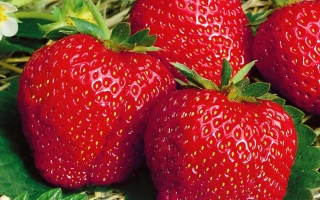
Elongated, Conical
Berry Weight
10-15
About product

A drought-resistant, disease-hardy variety ideal for efficient industrial production.
Growing Method
Open Ground
Ripening Period
Average (40-50)
Berry Shape
Elongated, Conical
Berry Weight
10-15
Description
Reliable crop for open-field production
The 'Yasna' strawberry variety, developed by the Institute of Horticulture of the NAAS, is a dependable choice for growers focused on industrial-scale open-field production. The variety is engineered for efficiency: its high resistance to fungal diseases, such as gray mold and powdery mildew, allows for a reduction in fungicide applications, significantly cutting production costs.
Key agronomic advantages
- Plant Health: Strong immunity to major diseases minimizes the risk of crop loss, even during humid ripening seasons, ensuring high marketability.
- Drought Tolerance: 'Yasna' exhibits exceptional resilience during dry spells, which is a critical feature for regions with limited irrigation resources or high evaporation rates.
- Market Specs: The medium-sized, elongated conical berries (10–15g) possess medium density, making them suitable for fresh market logistics and transport.
Practical applications
With a 40–50 day ripening period, 'Yasna' is best suited for professional growers looking for a balanced return on investment. The variety requires minimal chemical intervention, but it is important to plan for its low frost resistance (down to -10°C). In colder climates or regions with harsh winters, mulching or protective covers are essential to safeguard the root system. This variety is the go-to solution for farms that prioritize drought tolerance and disease resistance over high-input, high-maintenance varieties. It performs reliably under standard industrial management practices, ensuring a stable yield for immediate fresh market sales.
Crop & resistance
Disease resistance
Pest resistance
Specifications hover over for a hint about the specification
| Growing Method | |
|---|---|
|
Ripening Period
Ripening Period
It takes 70-100 days until pepper reaches flowering stage, 130-160 days until technical fruit ripeness, and 135-180 days until physiological ripeness. |
Average (40-50) |
| Berry Shape | |
| Berry Weight | 10-15 |
| Frost Resistance | |
| Disease Resistance | |
| Assignment | |
| Berry Density | |
| Variety Characteristics | |
| Bush height, cm | 20-30 |
| Registration year | 1960 |
| Catalog | Catalog → Wild Strawberry, Strawberry |
| Legal data |
Show · 1
|
| Country | Ukraine |
Store offers
Prices are updated on loadLoading offers…
Aggregator catalog: prices are collected automatically from store websites, normalized by AI and converted at the current exchange rate. Before ordering, confirm the price and availability on the store's website. This block is not indexed by search engines — the data is loaded after the page opens.
Not yet комментариев. Be the first!
Alternatives
Strawberry seedlings · similar varieties




See also
Often considered together with this variety





Recently viewed
Products you’ve viewed on this site
Reviews · 0