


Prices in stores
No offers yet — stores have not added prices for this product yet.
Similar varieties with prices
-
SuganaLubera AG
from 0.23 €
-
 Glen FyneJAMES HUTTON LTD
from 0.79 €per seedling
Glen FyneJAMES HUTTON LTD
from 0.79 €per seedling
-
 Glen AmpleJAMES HUTTON LTD
from 0.7 €per seedling
Glen AmpleJAMES HUTTON LTD
from 0.7 €per seedling
-
 Joan JMeiosis Ltd.
from 0.59 €
Joan JMeiosis Ltd.
from 0.59 €
Ripening Period
Everbearing
Berry Color
Red
Berry Shape
Oval
Berry weight (g)
7-10
Your mark
0 votes
0% positive ratings
Description
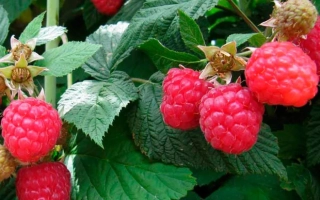
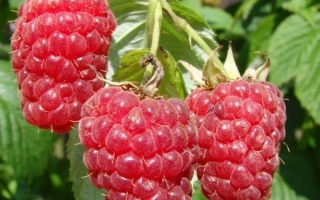
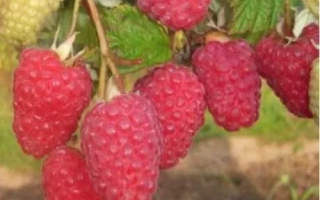
Rafzaqu raspberry is a remontant variety developed in Switzerland in 2008 by breeder Peter Hauenstein at the Rafz experimental station. It is the result of crossing Autumn Bliss and Himbo Queen (Rafzeter) varieties and is characterized by high, stable yield, large bright red berries with a glossy surface and attractive appearance. Berries have an oval-conical shape, averaging 6-8 grams, with large specimens reaching 10-12 grams. At maturity, the berries turn to a noble burgundy shade. They have a rich raspberry aroma, juicy, tasty flavor with a pleasant acidity and unique aftertaste, confirmed by a high sensory rating — 4.9 out of 5 points.
The plant is vigorous and spreading, reaching a height of 1.8 to 2.2 meters, with strong upright canes that require mandatory support for convenient harvesting. Rafzaqu raspberry is adaptable to various growing conditions, resistant to diseases including root rot and phytophthora, as well as high drought and cold tolerance. The variety adapts well to different soil types, including heavy soils, and is suitable for organic farming.
The Rafzaqu variety fruits twice: the first harvest is collected from early August to September of the current year, and the second — in June of the following year on two-year-old canes. The harvesting period lasts 6 to 8 weeks, allowing for a stable and abundant yield. The recommended row spacing is 2.5–3 meters, ensuring optimal growth conditions for the bushes. High transportability and storability of berries make this variety attractive for commercial cultivation and marketing.
The plant is vigorous and spreading, reaching a height of 1.8 to 2.2 meters, with strong upright canes that require mandatory support for convenient harvesting. Rafzaqu raspberry is adaptable to various growing conditions, resistant to diseases including root rot and phytophthora, as well as high drought and cold tolerance. The variety adapts well to different soil types, including heavy soils, and is suitable for organic farming.
The Rafzaqu variety fruits twice: the first harvest is collected from early August to September of the current year, and the second — in June of the following year on two-year-old canes. The harvesting period lasts 6 to 8 weeks, allowing for a stable and abundant yield. The recommended row spacing is 2.5–3 meters, ensuring optimal growth conditions for the bushes. High transportability and storability of berries make this variety attractive for commercial cultivation and marketing.
Crop & resistance
Disease resistance
Specifications
| Ripening Period | Everbearing |
|---|---|
| Berry Color | |
| Berry Shape | |
| Berry weight (g) | 7-10 |
| Flavor | |
| Yield (kg/plant) | 6+ |
| Cold Resistance | |
| Care Requirement | |
| Fruiting | |
| Berry Storage Duration (days) | 5-7 |
| Registration year | 2013 |
| Catalog | Catalog → Raspberry |
| Manufacturer | Promo-Fruit AG |
| Legal data |
Show · 16
|
| Country | Switzerland |
No reviews yet. Be the first to share your experience.
Alternatives
Raspberry saplings · similar varieties





See also
Often considered together with this variety






Recently viewed
Products you’ve viewed on this site
Reviews