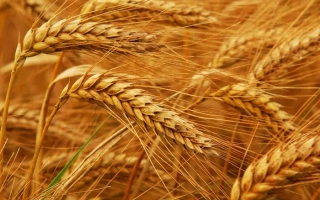
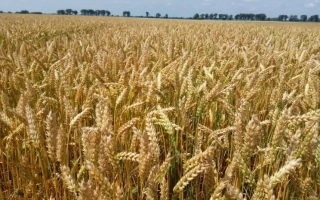
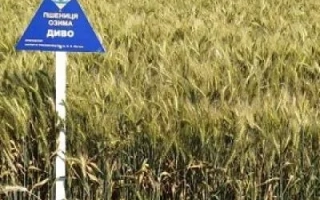
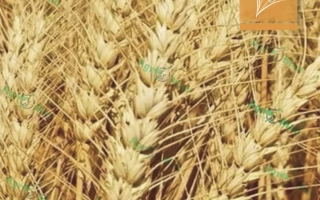
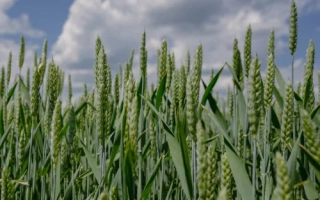
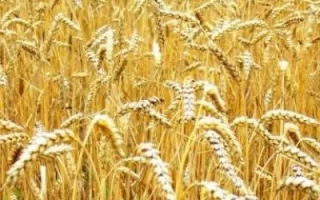
The wheat variety 'Güzel' is a high-yielding variety recommended for cultivation in the steppe and forest-steppe zones of Russia, including the Volgo-Vyat, Middle Volga, and Ural regions. It belongs to the extra-strong wheat group and has a medium-early vegetation period — approximately 279–284 days. Plants reach a height of 80–95 cm, possess high bushiness, leafiness, and dark green leaf color. Due to the radial arrangement of lateral roots and numerous fine roots in the plow layer, the variety exhibits high symbiotic ability, which contributes to improved nutrition and plant resilience. 'Güzel' demonstrates high resistance to various stress factors. It possesses high winter hardiness, drought tolerance, and resistance to lodging, stem breakage, and grain shattering. The variety shows moderate resistance to diseases such as powdery mildew, septoria, root rots, and fusarium, while resistance to a range of diseases including yellow and brown rust, powdery mildew, and fusarium of the ear is rated as high. Additionally, the variety is less sensitive to autumn sowing dates, reducing yield losses when sown early or late. In terms of yield, 'Güzel' surpasses standard varieties, averaging 8.13–8.98 tons per hectare. The variety belongs to the strong quality wheat group, with flour strength of 380–410 arbitrary units, gluten content of 26.5–27.7%, and protein content of 12.8–13.0%, while in feed mass, protein reaches 16.6–18.7%. The flour yield is approximately 73%, and the overall bread score ranges from 4.9–5.0 points, indicating high grain quality suitable for bakery purposes. Due to its characteristics and resilience, the 'Güzel' variety is a versatile and reliable choice for various agro-ecological zones.