


SKU #52735
·
63 views
Potato ZEKURA
Potato
SolanaUser rating
0 votes0% positive reviews
No ratings yet — be the first.
Direction
Table Potato
Beginning of fruiting
85-95 days
Corm; shape
Oval
Corm; skin color
Yellow
About product

Zekura — a German table potato variety of medium-early maturity, developed in the early 1990s by Solana GmbH & CO KG. The plant is of medium height, with a compact and moderately spreading bush, simple light-green leaves, and red-purple flowers arranged in small clusters. The root system is well developed, and each plant can form up to 20 oval, elongated tubers with smooth yellow skin and yellow f…
Direction
Table Potato
Beginning of fruiting
85-95 days
Corm; shape
Oval
Corm; skin color
Yellow
Description
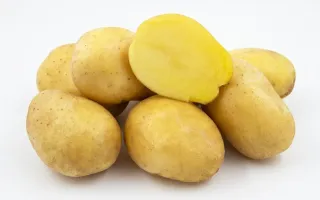
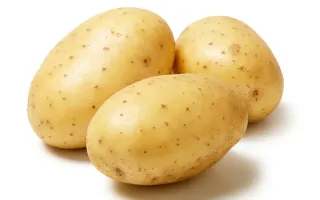
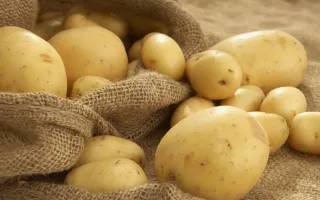
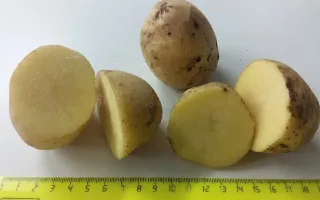
Zekura — a German table potato variety of medium-early maturity, developed in the early 1990s by Solana GmbH & CO KG. The plant is of medium height, with a compact and moderately spreading bush, simple light-green leaves, and red-purple flowers arranged in small clusters. The root system is well developed, and each plant can form up to 20 oval, elongated tubers with smooth yellow skin and yellow flesh that does not darken when cut or subjected to thermal processing. The tuber eyes are small and shallow, facilitating harvest. The maturity period of the variety ranges from 80 to 100 days, depending on growing conditions. Zekura has high yield potential — test results show commercial yields reaching 195–365 centners per hectare, significantly exceeding many other varieties. The tubers exhibit high marketability (79–96%) and excellent storage capacity (up to 98%). The variety is resistant to drought, diseases, and pests, making it suitable for both industrial-scale cultivation and small personal plots. Potatoes can be grown in open or protected ground, with recommended planting spacing of about 40 cm between holes and planting at air temperatures no lower than 15 °C. Zekura’s culinary qualities are highly valued due to its medium-cooking flesh with starch content of 13–18.2%, which exceeds standard levels. The tubers are suitable for preparing a variety of dishes: they retain their shape and color well when fried, boiled, or made into purée, and complement soups, salads, and vegetable mixes beautifully. The flesh has a pleasant texture without excessive moisture or dryness, making this variety universally popular among consumers.
Video · 3 videos
Suggest a video →Crop & resistance
Crop
Disease resistance
Pest resistance
Specifications hover over for a hint about the specification
Store offers
Prices are updated on loadLoading offers…
Aggregator catalog: prices are collected automatically from store websites, normalized by AI and converted at the current exchange rate. Before ordering, confirm the price and availability on the store's website. This block is not indexed by search engines — the data is loaded after the page opens.
Not yet комментариев. Be the first!
Alternatives
Seed potatoes · similar varieties



See also
Often considered together with this variety





Recently viewed
Products you’ve viewed on this site
Reviews · 0