


Direction
Table Potato
Time to first harvest
65-75 days
Tuber: shape
Oval-rounded
Tuber: skin color
Pink
Your mark
0 votes
0% positive ratings
Store offers · 1 from 1 store
1 offer in 1 store — from 1.13 € per 1 kg.
Available at: sadim-by
Prices are collected automatically from store websites and converted at the current exchange rate. Check the price and availability on the store website before ordering.
Description
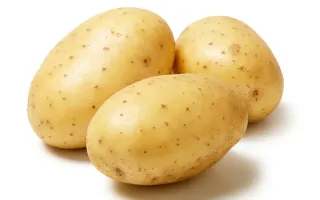
The potato variety Jenechka is a medium-early table variety with a maturation period of 65 to 80 days. The plant is semi-erect, medium height, with dark green leaves of medium and large size. Tubers have an oval-round shape with small eyes and smooth red-pink skin. The flesh is light-yellow, giving dishes an attractive appearance and pleasant taste. The average tuber weight ranges from 80 to 160 grams, marketability reaches 91-95%, and starch content is between 13-21.5%, making this variety versatile for various cooking methods, including boiling, frying, baking, and stewing.
The Jenechka variety is characterized by high yield, ranging from 248 to 342 centners per hectare, with maximum yields up to 560 centners per hectare, significantly exceeding the yields of some standard varieties. It has good storability — about 92% — ensuring prolonged storage of tubers without quality loss. The potato is resistant to several diseases, including potato cancer, golden potato cyst nematode, viruses Y and A, blossom and tuber late blight, rizoctonia, as well as common and silver scab. Additionally, the variety demonstrates drought resistance and moderate resistance to late blight, making it a reliable choice for various climatic conditions.
To achieve maximum yield, dense planting — from 27,000 to 41,000 plants per hectare — is recommended, along with seed treatment against rizoctonia, regular watering, and application of fertilizers with optimal norms of nitrogen, phosphorus, potassium, and magnesium. The Jenechka potato is valued for its attractive tuber appearance, high storability, and excellent taste qualities, making it an excellent choice for both home use and commercial cultivation.
The Jenechka variety is characterized by high yield, ranging from 248 to 342 centners per hectare, with maximum yields up to 560 centners per hectare, significantly exceeding the yields of some standard varieties. It has good storability — about 92% — ensuring prolonged storage of tubers without quality loss. The potato is resistant to several diseases, including potato cancer, golden potato cyst nematode, viruses Y and A, blossom and tuber late blight, rizoctonia, as well as common and silver scab. Additionally, the variety demonstrates drought resistance and moderate resistance to late blight, making it a reliable choice for various climatic conditions.
To achieve maximum yield, dense planting — from 27,000 to 41,000 plants per hectare — is recommended, along with seed treatment against rizoctonia, regular watering, and application of fertilizers with optimal norms of nitrogen, phosphorus, potassium, and magnesium. The Jenechka potato is valued for its attractive tuber appearance, high storability, and excellent taste qualities, making it an excellent choice for both home use and commercial cultivation.
Video · 1 video
Suggest a video →Crop & resistance
Crop
Disease resistance
Pest resistance
Specifications
| Direction | |
|---|---|
| Time to first harvest | 65-75 days |
| Tuber | |
| Shape | |
| Skin color | |
| Flesh color | |
| Skin structure | |
| Eye depth | |
| Mass | 50-130 grams |
| Starch Content | 13-14%, 14-15%, 15-16%, 16-17%, 17-18%, 18-19%, 19-20%, 20-21% |
| Registration year | 2023 |
| Catalog | Catalog → Potato |
| Manufacturer | FH Sedek |
| Legal data |
Show · 1
|
| Country | Russia |
No reviews yet. Be the first to share your experience.
Alternatives
Seed potatoes · similar varieties







See also
Often considered together with this variety




Recently viewed
Products you’ve viewed on this site
Reviews