


SKU #52554
·
104 views
Potato LASUNOK
Potato
User rating
0 votes0% positive reviews
No ratings yet — be the first.
Direction
Table Potato, Dried potato, Potato for chips, French Fries
Beginning of fruiting
85-95 days
Corm; shape
Oval, Round
Corm; skin color
Light yellow (white)
Prices in stores
from2.76 €per 1 kg
pack from 2.76 € per 1 kg
1 offer from 1 store
Store offers · 1 from 1 stores
Prices are updated on loadLoading offers…
Available at: Agro-market
Aggregator catalog: prices are collected automatically from store websites, normalized by AI and converted at the current exchange rate. Before ordering, confirm the price and availability on the store's website. This block is not indexed by search engines — the data is loaded after the page opens.
About product

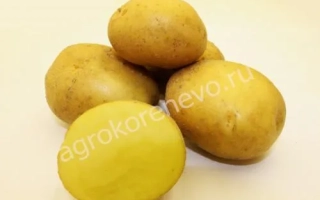
Potato variety Lasunok — a mid-late Belarusian variety, distinguished by high yield and excellent taste qualities. The plants of this variety are strong and tall with stiff leaves, and the tubers are large, round or oval in shape, weighing from 150 to 200 grams. The tuber skin is light yellow with medium eyes, and the flesh is creamy or light yellow, making this potato especially attractive for va…
Direction
Table Potato, Dried potato, Potato for chips, French Fries
Beginning of fruiting
85-95 days
Corm; shape
Oval, Round
Corm; skin color
Light yellow (white)
Description
Potato variety Lasunok — a mid-late Belarusian variety, distinguished by high yield and excellent taste qualities. The plants of this variety are strong and tall with stiff leaves, and the tubers are large, round or oval in shape, weighing from 150 to 200 grams. The tuber skin is light yellow with medium eyes, and the flesh is creamy or light yellow, making this potato especially attractive for various culinary purposes.
The Lasunok variety is resistant to numerous diseases, including late blight, potato scab, potato cancer, blackleg, and Colorado beetle, which significantly simplifies its cultivation and reduces the need for chemical protection. Additionally, it is resistant to golden nematode, although it is susceptible to PVX virus. Due to its resistance and low maintenance requirements, this variety grows well on various soil types, including sandy soils, and requires 15% less nitrogen fertilizer compared to standard norms.
Lasunok potato is widely used in cooking: it is excellent for preparing side dishes, crispy potatoes, dry potato mash, potato chips, and starch. The mid-late maturity period (80–120 days) allows for planning harvest with maximum efficiency. To achieve high yields, it is recommended to follow agronomic norms, including soil preparation, proper tuber planting, regular watering, fertilization, and hilling. The yield of this variety reaches up to 62–63 tons per hectare, making Lasunok one of the most popular and sought-after potato varieties.
The Lasunok variety is resistant to numerous diseases, including late blight, potato scab, potato cancer, blackleg, and Colorado beetle, which significantly simplifies its cultivation and reduces the need for chemical protection. Additionally, it is resistant to golden nematode, although it is susceptible to PVX virus. Due to its resistance and low maintenance requirements, this variety grows well on various soil types, including sandy soils, and requires 15% less nitrogen fertilizer compared to standard norms.
Lasunok potato is widely used in cooking: it is excellent for preparing side dishes, crispy potatoes, dry potato mash, potato chips, and starch. The mid-late maturity period (80–120 days) allows for planning harvest with maximum efficiency. To achieve high yields, it is recommended to follow agronomic norms, including soil preparation, proper tuber planting, regular watering, fertilization, and hilling. The yield of this variety reaches up to 62–63 tons per hectare, making Lasunok one of the most popular and sought-after potato varieties.
Video · 1 video
Suggest a video →Crop & resistance
Crop
Disease resistance
Pest resistance
Specifications hover over for a hint about the specification
|
Direction
Direction
Existing varieties and types of cabbage are grown for fresh consumption, long-term storage, and technical processing. |
|
|---|---|
|
Beginning of fruiting
Beginning of fruiting
The early maturity of watermelon varieties mainly depends on the duration of growth and fruit ripening phases, rather than the timing of female flower blooming. Many varieties, ripening at different times, begin to bloom almost simultaneously. Approximately 30 days after fruit se... |
85-95 days |
| Corm; shape | |
| Corm; skin color | |
| Corm; flesh color | |
| Cormorant; eye depth | |
| Corm; mass | 130-200 grams |
| Registration year | 1988 |
| Catalog | Catalog → Potato |
| Legal data |
Show · 10
|
| Country | Russia |
Not yet комментариев. Be the first!
Alternatives
Seed potatoes · similar varieties






See also
Often considered together with this variety


Recently viewed
Products you’ve viewed on this site
Reviews · 0