


SKU #44089
·
95 views
SANIBEL
Potato
Europlant Pflanzenzucht GmbHUser rating
0 votes0% positive reviews
No ratings yet — be the first.
Direction
French Fries, Table Potato
Beginning of fruiting
55-65 days
Corm; shape
Oval elongated
Corm; skin color
Red
Prices in stores
from0.97 €per 1 kg
pack from 1.46 € per 1 kg
7 offers from 3 stores
Store offers · 7 from 3 stores
Prices are updated on loadLoading offers…
Available at: Бабусине насіння · Megasad · Rozkvit · Дім садівника · Сонцесад · Веснодар
Aggregator catalog: prices are collected automatically from store websites, normalized by AI and converted at the current exchange rate. Before ordering, confirm the price and availability on the store's website. This block is not indexed by search engines — the data is loaded after the page opens.
About product

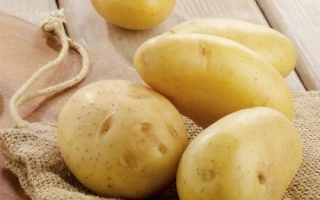
Sanibel potato — an ultra-early variety developed by the German breeding company Europlant Pflanzenzucht GmbH, with a vegetation period of 50 to 65 days. The plant is semi-upright, medium height, with a spreading bush and good growth vigor. Tubers have an elongated-oval shape, red skin, and light-yellow flesh that does not change color after thermal processing. The average tuber weight is 110–118…
Direction
French Fries, Table Potato
Beginning of fruiting
55-65 days
Corm; shape
Oval elongated
Corm; skin color
Red
Description
Sanibel potato — an ultra-early variety developed by the German breeding company Europlant Pflanzenzucht GmbH, with a vegetation period of 50 to 65 days. The plant is semi-upright, medium height, with a spreading bush and good growth vigor. Tubers have an elongated-oval shape, red skin, and light-yellow flesh that does not change color after thermal processing. The average tuber weight is 110–118 grams, and each plant produces 12 to 20 tubers under moderate moisture and balanced fertilization.
The variety is characterized by high yield — 200 to 338 centners per hectare, with a marketability of 79–94%. It is resistant to various diseases, including potato blight, late blight, blackleg, powdery mildew, leaf curl virus, and golden potato cyst nematode. Sanibel tolerates drought well, is adaptable to soil types, and is resistant to adverse weather conditions. Additionally, the variety has high storability, good transportability, and resistance to mechanical damage.
Sanibel potato belongs to culinary type B, indicating its versatility in cooking: it is suitable for boiling, frying, stewing, and for making French fries, chips, and soups. The flesh contains 11.5–14.5% starch, ensuring excellent taste. The variety retains its qualities during long-term storage up to 9 months, making it profitable for commercial cultivation and home use.
The variety is characterized by high yield — 200 to 338 centners per hectare, with a marketability of 79–94%. It is resistant to various diseases, including potato blight, late blight, blackleg, powdery mildew, leaf curl virus, and golden potato cyst nematode. Sanibel tolerates drought well, is adaptable to soil types, and is resistant to adverse weather conditions. Additionally, the variety has high storability, good transportability, and resistance to mechanical damage.
Sanibel potato belongs to culinary type B, indicating its versatility in cooking: it is suitable for boiling, frying, stewing, and for making French fries, chips, and soups. The flesh contains 11.5–14.5% starch, ensuring excellent taste. The variety retains its qualities during long-term storage up to 9 months, making it profitable for commercial cultivation and home use.
Crop & resistance
Crop
Disease resistance
Pest resistance
Specifications hover over for a hint about the specification
|
Direction
Direction
Existing varieties and types of cabbage are grown for fresh consumption, long-term storage, and technical processing. |
|
|---|---|
|
Beginning of fruiting
Beginning of fruiting
The early maturity of watermelon varieties mainly depends on the duration of growth and fruit ripening phases, rather than the timing of female flower blooming. Many varieties, ripening at different times, begin to bloom almost simultaneously. Approximately 30 days after fruit se... |
55-65 days |
| Corm; shape | |
| Corm; skin color | |
| Corm; flesh color | |
| Corm; mass | 50-130 grams |
| Starch Content | 11-12%, 12-13%, 13-14% |
| Registration year | 2019 |
| Catalog | Catalog → Potato |
| Manufacturer | Europlant Pflanzenzucht GmbH |
| Country | Germany |
Not yet комментариев. Be the first!
Alternatives
Seed potatoes · similar varieties





See also
Often considered together with this variety




Recently viewed
Products you’ve viewed on this site
Reviews · 0