


Prices in stores
No offers yet — stores have not added prices for this product yet.
Similar varieties with prices
-
MadonnaNPZ Lembke
from 0.41 €per 1 kg
-
 NIKOLKALLC NPK 'AGROALYANS'
from 5.01 €
NIKOLKALLC NPK 'AGROALYANS'
from 5.01 €
-
 Tsarevich
from 0.94 €per 1 kg
Tsarevich
from 0.94 €per 1 kg
-
 NS Mraz / NS MorozIFVCNS (Novi Sad)
from 0.3 €per 1 kg
NS Mraz / NS MorozIFVCNS (Novi Sad)
from 0.3 €per 1 kg
Production Direction
For grain
Plant Type
Leafless (tendril type)
Growing Season
70-80 days, 80-90 days
Plant: height
Average Height
Your mark
0 votes
0% positive ratings
Description
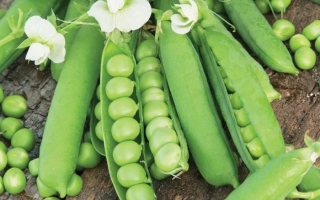
Yamalsky pea is a mid-season, high-yielding grain variety with a vegetative period ranging from 64 to 95 days, depending on the growing region. The plants have a bushy habit and a height of 75 to 95 cm. The variety is characterized by high resistance to lodging, shattering, and pod splitting, which ensures crop preservation and improves its quality. The mass of 1000 seeds varies within 212-276 g, indicating large seed size and good potential for high yields.
Yamalsky pea is recommended for cultivation in various regions of Russia, including the Volgo-Vyatsky, Ural, West Siberian, and East Siberian regions, as well as the Middle Volga region. The variety is well adapted to the conditions of these territories and shows an average yield of about 20-21 c/ha, with maximum rates up to 50.3 c/ha under optimal conditions. The protein content in the grain ranges from 22.5% to 27.6%, making this variety attractive for food use and feed production.
For successful cultivation of the Yamalsky variety, early sowing is recommended with a seeding rate of 1.2-1.3 million seeds per hectare or 120-140 plants per square meter at a sowing depth of 4-6 cm. An important element of agrotechnology is the use of mineral fertilizers with an NPK ratio of 15:15:15, as well as cultivating seedlings, chemical weeding, and protection against pests and diseases. Seeds should be treated with systemic preparations to increase resistance to diseases. Harvest is recommended at a grain moisture of 16-18%, which helps maintain quality and reduce losses.
Yamalsky pea is recommended for cultivation in various regions of Russia, including the Volgo-Vyatsky, Ural, West Siberian, and East Siberian regions, as well as the Middle Volga region. The variety is well adapted to the conditions of these territories and shows an average yield of about 20-21 c/ha, with maximum rates up to 50.3 c/ha under optimal conditions. The protein content in the grain ranges from 22.5% to 27.6%, making this variety attractive for food use and feed production.
For successful cultivation of the Yamalsky variety, early sowing is recommended with a seeding rate of 1.2-1.3 million seeds per hectare or 120-140 plants per square meter at a sowing depth of 4-6 cm. An important element of agrotechnology is the use of mineral fertilizers with an NPK ratio of 15:15:15, as well as cultivating seedlings, chemical weeding, and protection against pests and diseases. Seeds should be treated with systemic preparations to increase resistance to diseases. Harvest is recommended at a grain moisture of 16-18%, which helps maintain quality and reduce losses.
Crop & resistance
Crop
Disease resistance
Specifications
| Production Direction | |
|---|---|
| Plant Type | |
| Growing Season | 70-80 days, 80-90 days |
| Plant: height | Average Height |
| Beans | |
| Weight per 1000 seeds | 220-240 grams |
| Protein Content | 22-24% |
| Registration year | 2004 |
| Catalog | Catalog → Pea |
| Manufacturer | ZAO 'NPF SIBIRSKAYa AGRARNAYa KOMPANIYa' |
| Legal data |
Show · 13
|
| Country | Russia |
No reviews yet. Be the first to share your experience.






See also
Often considered together with this variety





Recently viewed
Products you’ve viewed on this site
Reviews