


Production Direction
For grain
Plant Type
Leafless (tendril type)
Growing Season
90-100 days
Plant: height
Average Height
Your mark
0 votes
0% positive ratings
Store offers · 1 from 1 store
1 offer in 1 store — from 0.24 € per 1 kg.
Available at: ФОРСАГРО
Prices are collected automatically from store websites and converted at the current exchange rate. Check the price and availability on the store website before ordering.
About product
A leafless variety with high disease resistance and optimal suitability for direct harvesting.
Description
Genetic Potential and Agronomic Solutions of the "Cleopatra" Pea Variety
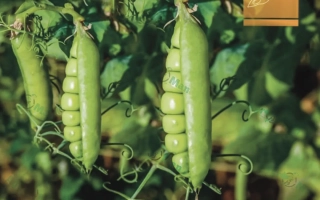
German selection by Saaten-Union is focused on creating crops capable of mitigating field risks. "Cleopatra" is a leafless (semi-leafless) pea variety, which represents a fundamental solution for modern agriculture. The use of tendrils instead of extensive leaf surface ensures plant interlocking, creating a stable field structure. This is critical for preventing lodging, which directly affects the purity and volume of the harvest.
Adaptability and Phytosanitary Resilience
The core focus in the breeding of this variety was placed on countering fungal pathogens that typically reduce yields by 20-30%. The genetic architecture of "Cleopatra" includes built-in resistance mechanisms against ascochyta blight, rust, and a complex of root rots. Reducing the pesticide load during the vegetation period allows for lower production costs while obtaining cleaner grain.
Harvesting Efficiency
A vegetation period of 90–100 days makes the variety a flexible tool for various climatic zones. The technical advantage of "Cleopatra" lies in its excellent suitability for direct harvesting. Due to its tendril-type stem structure, the pods are uniformly positioned in the upper canopy, minimizing losses during combine operation. A protein content of 22–24% makes this variety highly sought after in both the feed and food industries. The average plant height is optimized for standard harvesting machinery, ensuring an efficient cut without damaging the pods.
Crop & resistance
Crop
Disease resistance
Specifications
| Production Direction | |
|---|---|
| Plant Type | |
| Growing Season | 90-100 days |
| Plant: height | Average Height |
| Beans: Protein Content | 22-24% |
| Suitability for direct harvesting | |
| Registration year | 2010 |
| Catalog | Catalog → Pea |
| Manufacturer | Saaten-Union |
| Legal data |
Show · 9
|
| Country | Germany |
No reviews yet. Be the first to share your experience.






See also
Often considered together with this variety








Recently viewed
Products you’ve viewed on this site
Reviews