

SKU #62956
·
41 views
CHOPTSU
Onion
Vilmorin-MikadoUser rating
0 votes0% positive reviews
No ratings yet — be the first.
Type
Onion
Registration year
2020
About product
A reliable onion with robust immunity, designed to withstand challenging soil conditions.
Type
Onion
Registration year
2020
Description
Consistent performance in the field
For any professional onion grower, root system health is often the deciding factor in the success of the season. The introduction of the 'Choetsu' onion by Vilmorin-Mikado has brought a significant degree of reliability to our fields. The standout feature here is its robust resistance to pink root rot. In years when soil moisture remains high after heavy rains and the threat of fungal diseases spikes, this variety remains resilient, allowing us to maintain a more efficient fungicide application schedule.
Practical observations
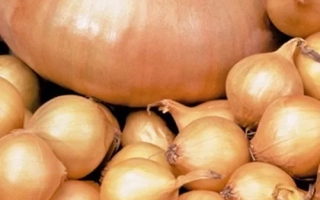
From an operational standpoint, 'Choetsu' functions like a workhorse for large-scale vegetable production. The bulbs are remarkably uniform and dense with strong outer scales, which is essential for successful mechanical harvesting and long-term storage. Even under intensive irrigation regimens, we have observed that the neck closes cleanly and on time, which drastically reduces the risk of post-harvest decay in storage facilities.
- Agrotechnical efficiency: The hybrid responds well to standard fertilization protocols and adapts easily to existing crop rotation cycles.
- Genetics: The Vilmorin-Mikado breeding program ensures a high germination rate, helping to conserve seed stock and providing uniform stand establishment.
- Marketability: High product quality ensures that a significant portion of the harvest is suitable for premium retail or export markets with minimal sorting required.
If you are looking for a reliable, predictable outcome—especially in fields where soil-borne pathogens have caused issues in the past—'Choetsu' is a solid choice. It is a prime example of French breeding expertise working to minimize field risk and maximize profitability.
Crop & resistance
Disease resistance
Specifications hover over for a hint about the specification
|
Type
Type
Galia (Galia) type — relatively new, of Israeli origin, although there are indications that this variety may originate from Spain. The fruits of this type are round or oval, weighing about 1 kg. The surface is smooth, covered with a delicate, connected netting, turning yellow whe... |
|
|---|---|
| Registration year | 2020 |
| Catalog | Catalog → Onion |
| Manufacturer | Vilmorin-Mikado |
| Country | France |
Store offers
Prices are updated on loadLoading offers…
Aggregator catalog: prices are collected automatically from store websites, normalized by AI and converted at the current exchange rate. Before ordering, confirm the price and availability on the store's website. This block is not indexed by search engines — the data is loaded after the page opens.
Not yet комментариев. Be the first!
Alternatives
Onion seeds · similar varieties





See also
Often considered together with this variety



Recently viewed
Products you’ve viewed on this site
Reviews · 0