


SKU #65108
·
43 views
GYESER
Oats
User rating
0 votes0% positive reviews
No ratings yet — be the first.
Ripeness Group (days)
Medium-maturing (95-110)
Yield
40-50, 50-60
Disease Resistance
Rust
Mass of 1000 seeds (g)
32-36, 36-40
About product

Reliable large-grain oat with high resistance to lodging and rust.
Ripeness Group (days)
Medium-maturing (95-110)
Yield
40-50, 50-60
Disease Resistance
Rust
Mass of 1000 seeds (g)
32-36, 36-40
Description
Stable Yields in Challenging Conditions
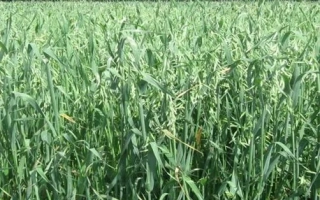
The 'Geser' oat variety is the choice for those who prioritize reliability and predictability in severe climatic zones. As an operator, you will appreciate its uniformity: the stem height of 90–100 cm provides optimal biomass, which simplifies combine harvesting. The plant exhibits high resistance to shedding, so even if harvesting is delayed, you keep the grain in the ear rather than on the ground.
Field Hardiness and Protection
An agronomist's primary concern is diseases that erode profit margins before the machinery even hits the field. This variety boasts genetic resistance to rust, which is often a critical issue for oats. Under real operational conditions, the crop shows commendable resistance to bacterial blight and stem smut. Fewer fungicide applications mean lower production costs per ton of grain.
The Economics of Large Grain
Working with 'Geser' means working with a large-grain variety. The 1000-grain weight ranges from 32 to 40 g, ensuring an excellent yield of marketable grain during sorting. With proper agronomy, you can expect stable yields of 40–60 centners per hectare. The mid-season cycle (95–110 days) allows for optimized harvest logistics, preventing peak workloads from overlapping with other cereal crops.
- Maturity group: Mid-season.
- Biometrics: Height 90–100 cm.
- Yield potential: Up to 60 c/ha.
- Grain: Large, well-filled, high 1000-seed weight.
- Breeding: SFNTSA RAS (Siberian Federal Scientific Centre of Agrobiotechnologies).
If you are looking for a crop that forgives minor errors in the agrotechnical background and reliably fills the hopper, 'Geser' meets these requirements 100%.
Crop & resistance
Crop
Disease resistance
Specifications hover over for a hint about the specification
| Ripeness Group (days) | Medium-maturing (95-110) |
|---|---|
|
Yield
Yield
Overall bulb harvest per unit area. Depends on both onion variety characteristics and agronomic practices, fertilizers, and irrigation. Under optimal growing conditions, an onion yield of 100 tons per hectare and above is not considered record-breaking. |
40-50, 50-60 |
| Disease Resistance | |
| Mass of 1000 seeds (g) | 32-36, 36-40 |
| Plant Height | 90-100 |
| Grain-oriented | |
| Resistance to Sliding | |
| Registration year | 2001 |
| Catalog | Catalog → Oats |
| Legal data |
Show · 1 |
| Country | Russia |
Store offers
Prices are updated on loadLoading offers…
Aggregator catalog: prices are collected automatically from store websites, normalized by AI and converted at the current exchange rate. Before ordering, confirm the price and availability on the store's website. This block is not indexed by search engines — the data is loaded after the page opens.
Not yet комментариев. Be the first!


See also
Often considered together with this variety



Recently viewed
Products you’ve viewed on this site
Reviews · 0