


SKU #74594
·
54 views
Miscanthus Autumn Starwort
Miscanthus
Prices in stores
No offers yet — stores have not added prices for this product yet.
Similar varieties with prices
-
IllinoisMiscanthus d.o.o
from 2.22 €
-
 ECOLLC 'BIO FARMING'
from 3.34 €
ECOLLC 'BIO FARMING'
from 3.34 €
-
 FORTISRE:FORMA LLC
from 158.12 €
FORTISRE:FORMA LLC
from 158.12 €
-
 Terravesta Athena
from 1.98 €
Terravesta Athena
from 1.98 €
Decorative Plants
Miscanthus
Purpose
Biofuel, Cigar Tobacco
Dry Matter Yield
18–25 t/ha
Registration year
2015
Your mark
0 votes
0% positive ratings
About product
A high-yielding miscanthus hybrid for biofuel and forage, delivering up to 25 t/ha of dry biomass.
Description
Energy Independence and Agricultural Efficiency
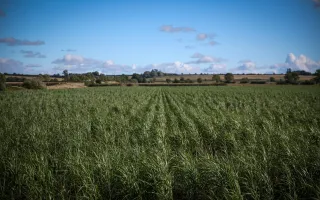
The «Osinnii Zoretsvit» miscanthus, developed by the Institute of Bioenergy Crops and Sugar Beet of the NAAS, is a robust solution for farms aiming to diversify their income streams and secure energy independence. Unlike traditional crops, this perennial hybrid establishes a root system that allows for consistent harvesting for 15–20 years without the need for annual replanting.
Agronomic Value and Yield Potential
With an average dry mass yield of 18–25 t/ha, this variety is optimized for high-capacity biomass production. The harvest process is scheduled for the late autumn or winter months. During this period, the moisture content of the stalks drops naturally, allowing for efficient conversion into high-density fuel pellets or briquettes with excellent combustion properties.
- Biofuel Production: High caloric value and low ash content make it a superior alternative to fossil fuels for industrial and residential boilers.
- Fodder Source: Young biomass can be integrated into livestock feed rations as a reliable source of fiber.
- Landscape Management: Due to its impressive growth habit, the variety is highly effective for windbreaks, soil erosion control, and aesthetic zoning.
For agricultural operators, «Osinnii Zoretsvit» is an investment in long-term soil stability. After the initial establishment phase, the crop effectively outcompetes weeds due to its dense canopy, drastically reducing the necessity for herbicide applications and repetitive field operations. This makes it a sustainable choice for marginal lands that require low-input, high-output management.
Crop & resistance
Crop
Specifications
| Decorative Plants | |
|---|---|
| Purpose | |
| Dry Matter Yield | 18–25 t/ha |
| Registration year | 2015 |
| Catalog | Catalog → Miscanthus |
| Legal data |
Show · 1
|
| Country | Ukraine |
No reviews yet. Be the first to share your experience.
Alternatives
Miscanthus · similar varieties



See also
Often considered together with this variety





Recently viewed
Products you’ve viewed on this site
Reviews