


SKU #74592
·
53 views
Miscanthus Gulliver
Miscanthus
Prices in stores
No offers yet — stores have not added prices for this product yet.
Similar varieties with prices
-
ECOLLC 'BIO FARMING'
from 3.34 €
-
 FORTISRE:FORMA LLC
from 158.12 €
FORTISRE:FORMA LLC
from 158.12 €
-
 IllinoisMiscanthus d.o.o
from 2.22 €
IllinoisMiscanthus d.o.o
from 2.22 €
-
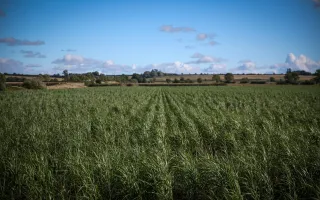 Terravesta Athena
from 1.98 €
Terravesta Athena
from 1.98 €
Decorative Plants
Miscanthus
Purpose
Decorative, Biofuel
Dry Matter Yield
18–25 t/ha, 20–30 t/ha
Registration year
2015
Your mark
0 votes
0% positive ratings
Description
Miscanthus «Gulliver» is a hybrid perennial grass of the grass family, characterized by high yield and decorative properties. Under experimental growing conditions in the central part of the Forest-Steppe (Ukraine), it was shown that a combination of binomial sowing with lupin (Lupinus perennis L.) and moderate nitrogen fertilization with a dose of N30 leads to maximum biomass – 21.2 t/ha. In monoculture, the yield reaches 19.5–19.9 t/ha at higher doses of N60–N90, however, increasing the norm to N120 does not improve the result and even reduces it. Thus, the optimal strategy is binomial cultivation with lupin and moderate nitrogen fertilization.
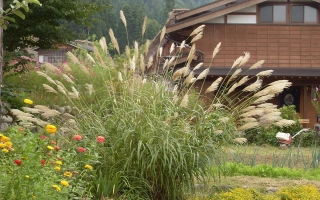
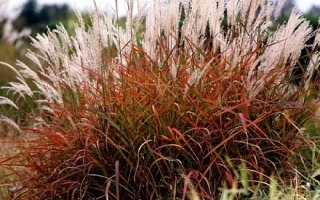
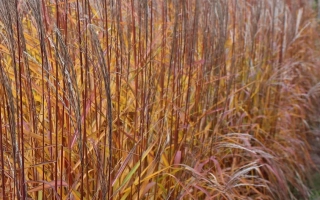
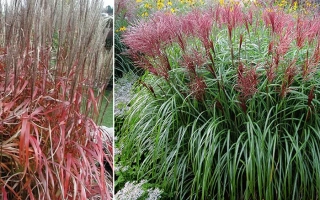
Externally, «Gulliver» exhibits characteristics typical of miscanthus: erect stems with a height of 0.8 to 2 m, leaves 0.5–1.8 cm long with a thick central vein. In autumn, the leaves are colored in shades of yellow, brown, burgundy, and red, creating a picturesque background for landscape compositions. The plant tolerates drought, wind, and air pollution well, preferring sunny, moderately moist areas with fertile soil.
Miscanthus «Gulliver» is widely used both in ornamental gardening and in the energy sector. In landscape design, it serves to create lawns, water bodies, rockeries, and dry floristic compositions, and can also act as a screen or accent element thanks to the bright autumn coloration of its leaves. In addition, its high energy value upon combustion makes it suitable as a biomass fuel for power plants, where it releases a large amount of energy and leaves a small amount of ash.
Externally, «Gulliver» exhibits characteristics typical of miscanthus: erect stems with a height of 0.8 to 2 m, leaves 0.5–1.8 cm long with a thick central vein. In autumn, the leaves are colored in shades of yellow, brown, burgundy, and red, creating a picturesque background for landscape compositions. The plant tolerates drought, wind, and air pollution well, preferring sunny, moderately moist areas with fertile soil.
Miscanthus «Gulliver» is widely used both in ornamental gardening and in the energy sector. In landscape design, it serves to create lawns, water bodies, rockeries, and dry floristic compositions, and can also act as a screen or accent element thanks to the bright autumn coloration of its leaves. In addition, its high energy value upon combustion makes it suitable as a biomass fuel for power plants, where it releases a large amount of energy and leaves a small amount of ash.
Crop & resistance
Crop
Specifications
| Decorative Plants | |
|---|---|
| Purpose | |
| Dry Matter Yield | 18–25 t/ha, 20–30 t/ha |
| Registration year | 2015 |
| Catalog | Catalog → Miscanthus |
| Legal data |
Show · 1
|
| Country | Ukraine |
No reviews yet. Be the first to share your experience.
Alternatives
Miscanthus · similar varieties



See also
Often considered together with this variety






Recently viewed
Products you’ve viewed on this site
Reviews