


SKU #45824
·
60 views
Vanda
Lucerne
ТОВ «РВА Україна»User rating
0 votes0% positive reviews
No ratings yet — be the first.
Plant Height
80-85
Registration year
2021
Store offers · 4 from 2 stores
Prices are updated on loadLoading offers…
Available at: Квіткарня · Веснодар
Aggregator catalog: prices are collected automatically from store websites, normalized by AI and converted at the current exchange rate. Before ordering, confirm the price and availability on the store's website. This block is not indexed by search engines — the data is loaded after the page opens.
About product

The Vanda clover variety is distinguished by high field resistance and lodging resistance, which remains for more than five years even under adverse conditions. Thanks to its exceptional cold resistance and excellent adaptability, this variety grows successfully in a wide range of climatic zones — from Northern Europe to Turkey. Vanda is officially registered and included in the Swiss national cat…
Plant Height
80-85
Registration year
2021
Description
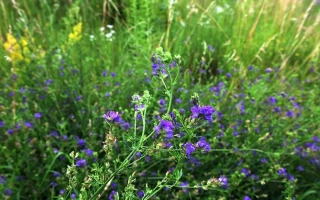
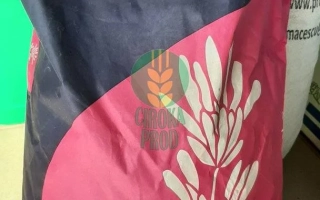
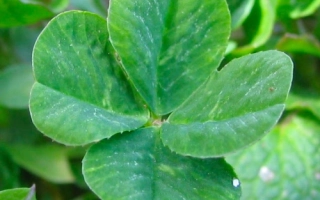
The Vanda clover variety is distinguished by high field resistance and lodging resistance, which remains for more than five years even under adverse conditions. Thanks to its exceptional cold resistance and excellent adaptability, this variety grows successfully in a wide range of climatic zones — from Northern Europe to Turkey. Vanda is officially registered and included in the Swiss national catalog as a controlled variety. Plants have an upright growth habit, medium height of 80-85 cm, medium stems, and purple flowers. The excellent leaf-to-stem ratio, as well as early transition into winter dormancy, contribute to high winter hardiness and resistance to various diseases, including rust, fusarium, botrytis, and cercospora. The seeds of this variety are inoculated with rhizobium (Sinorhizobium Meliloti), which enhances nitrogen-fixing properties and promotes increased yield. The Vanda variety is characterized by a deep root system reaching up to 5 meters, ensuring excellent winter hardiness and drought resistance. Thin stems contribute to producing high-quality feed with low lignin content and high protein content — more than 21.5%. Due to these properties, Vanda clover is a valuable feed for livestock, providing nutritional value and digestibility comparable to concentrated feeds. The recommended seeding rate is 20-25 kg per hectare, and seeds are available in 25 kg packages treated with nitragin to improve germination and growth. Vanda is a fast-growing variety capable of rapid regeneration, allowing for several cuttings per season depending on weather conditions. This variety is widely used for producing green feed and hay, as well as for grazing animals. Due to its high protein content, B, E, C, K, D vitamins, carotene, and mineral salts, Vanda is an indispensable feed for young and adult animals. Moreover, clover improves soil fertility by accumulating nitrogen and stimulating the growth of beneficial microorganisms, making it an important crop for sustainable agriculture.
Crop & resistance
Crop
Disease resistance
Specifications
| Plant Height | 80-85 |
|---|---|
| Registration year | 2021 |
| Catalog | Catalog → Lucerne |
| Manufacturer | ТОВ «РВА Україна» |
| Country | Ukraine |
Not yet комментариев. Be the first!
Alternatives
Alfalfa seeds · similar varieties






See also
Often considered together with this variety




Recently viewed
Products you’ve viewed on this site
Reviews · 0