


SKU #70139
·
68 views
FIANIT
Honeysuckle
User rating
0 votes0% positive reviews
No ratings yet — be the first.
Berry Weight
1.2–2.0
Flavor
Sour-sweet
Yield (kg per plant)
1.5–2.5
Bush height, cm
1.5–2.0
Prices in stores
from2.99 €per seedling
pack from 3.09 € per 1 pcs
9 offers from 4 stores
Store offers · 9 from 4 stores
Prices are updated on loadLoading offers…
Available at: Kustik · Sadovnik-sam · Интернет магазин садовых растений Все Сорта · Zpitomnik
Aggregator catalog: prices are collected automatically from store websites, normalized by AI and converted at the current exchange rate. Before ordering, confirm the price and availability on the store's website. This block is not indexed by search engines — the data is loaded after the page opens.
About product

Viburnum 'Fianit' is a mid-late variety bred in 1995 at the South Ural Research Institute of Horticulture and Potato Growing thanks to free pollination of the Smolinskaya variety. The variety was named after the rich purple color of the berries, reminiscent of fiani crystals.The bush is characterized by vigorous growth up to 2 m in height, a compact spherical crown, and weakly spreading branches w…
Berry Weight
1.2–2.0
Flavor
Sour-sweet
Yield (kg per plant)
1.5–2.5
Bush height, cm
1.5–2.0
Description
Viburnum 'Fianit' is a mid-late variety bred in 1995 at the South Ural Research Institute of Horticulture and Potato Growing thanks to free pollination of the Smolinskaya variety. The variety was named after the rich purple color of the berries, reminiscent of fiani crystals.
The bush is characterized by vigorous growth up to 2 m in height, a compact spherical crown, and weakly spreading branches with curved shoots. Flowering begins in early May, at which time the crown is covered with large, pale yellow, fragrant flowers. 'Fianit' is self-sterile, but for an optimal yield, the presence of a pollinator at a distance of 1.5–2 m is recommended.
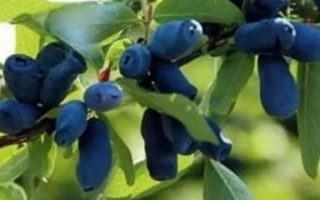
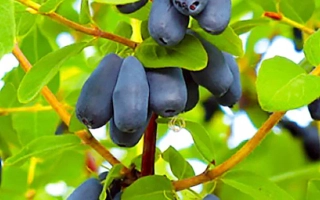
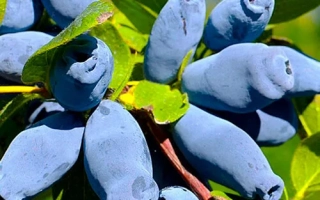
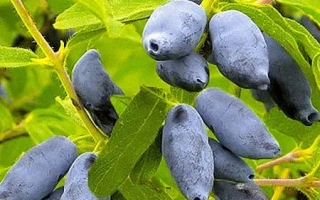
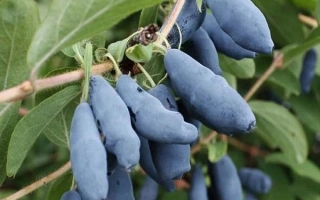
The berries are of medium size (1.2–1.6 g, up to 1.6 cm) and have an oval oblong shape, thin skin without pubescence, and a bright blue-purple hue with a bluish bloom. The pulp is moderately juicy and fragrant; the taste is acid-sweet without bitterness; on the tasting scale it reaches 5 points. The berries are fragile: they poorly tolerate transportation and long-term storage – a few days in a cool place.
Yield begins in the third year after planting, at which time the berries ripen evenly and do not fall off. The variety is considered medium-yielding: from one adult plant you can collect from 1.5 to 2 kg of berries (approximately 32 c/ha when observing agrotechnical rules). The bush withstands low temperatures up to –50 °C well, but is not resistant to drought and prolonged hot weather, which can lead to a decrease in fruit size and increased acidity.
'Fianit' has a medium immunity to diseases and pests. The most dangerous are leaf mosaic, brown spot, viburnum fingered moth, aphid, and spider mite; timely sanitary inspections and preventive treatments with insecticides and fungicides help maintain the health of the plant.
The bush is characterized by vigorous growth up to 2 m in height, a compact spherical crown, and weakly spreading branches with curved shoots. Flowering begins in early May, at which time the crown is covered with large, pale yellow, fragrant flowers. 'Fianit' is self-sterile, but for an optimal yield, the presence of a pollinator at a distance of 1.5–2 m is recommended.
The berries are of medium size (1.2–1.6 g, up to 1.6 cm) and have an oval oblong shape, thin skin without pubescence, and a bright blue-purple hue with a bluish bloom. The pulp is moderately juicy and fragrant; the taste is acid-sweet without bitterness; on the tasting scale it reaches 5 points. The berries are fragile: they poorly tolerate transportation and long-term storage – a few days in a cool place.
Yield begins in the third year after planting, at which time the berries ripen evenly and do not fall off. The variety is considered medium-yielding: from one adult plant you can collect from 1.5 to 2 kg of berries (approximately 32 c/ha when observing agrotechnical rules). The bush withstands low temperatures up to –50 °C well, but is not resistant to drought and prolonged hot weather, which can lead to a decrease in fruit size and increased acidity.
'Fianit' has a medium immunity to diseases and pests. The most dangerous are leaf mosaic, brown spot, viburnum fingered moth, aphid, and spider mite; timely sanitary inspections and preventive treatments with insecticides and fungicides help maintain the health of the plant.
Video · 2 videos
Suggest a video →Crop & resistance
Crop
Disease resistance
Specifications
| Berry Weight | 1.2–2.0 |
|---|---|
| Flavor | |
| Yield (kg per plant) | 1.5–2.5 |
| Bush height, cm | 1.5–2.0 |
| Registration year | 1999 |
| Catalog | Catalog → Honeysuckle |
| Legal data | |
| Country | Russia |
Not yet комментариев. Be the first!
Alternatives
Honeysuckle saplings · similar varieties



See also
Often considered together with this variety





Recently viewed
Products you’ve viewed on this site
Reviews · 0