
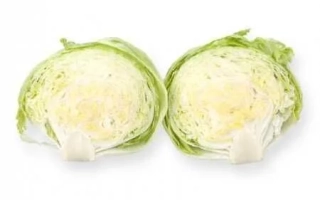

SKU #44745
·
60 views
Kuala
Lettuce
NUNHEMSUser rating
0 votes0% positive reviews
No ratings yet — be the first.
Plant Type
Iceberg
Head / Rosette; weight
Medium
Maturation Period
Early
Registration year
2010
Prices in stores
from32.23 €per 1000 seeds
pack from 161.14 € per 5 000 pcs
1 offer from 1 store
Store offers · 1 from 1 stores
Prices are updated on loadLoading offers…
Available at: Pomidorka · Веснодар
Aggregator catalog: prices are collected automatically from store websites, normalized by AI and converted at the current exchange rate. Before ordering, confirm the price and availability on the store's website. This block is not indexed by search engines — the data is loaded after the page opens.
About product

Kuala lettuce is an early-maturing iceberg-type head lettuce suitable for year-round cultivation. It forms a compact, upright rosette up to 20 cm in diameter and 15-17 cm in height, with a dense, round head weighing 300-400 g. The leaves are deep green, large, slightly blistered, and wavy, with a crisp texture and excellent flavor, making this variety especially valuable for fresh consumption.The…
Plant Type
Iceberg
Head / Rosette; weight
Medium
Maturation Period
Early
Registration year
2010
Description
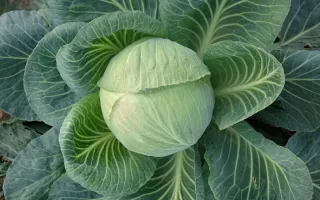
Kuala lettuce is an early-maturing iceberg-type head lettuce suitable for year-round cultivation. It forms a compact, upright rosette up to 20 cm in diameter and 15-17 cm in height, with a dense, round head weighing 300-400 g. The leaves are deep green, large, slightly blistered, and wavy, with a crisp texture and excellent flavor, making this variety especially valuable for fresh consumption.
The Kuala variety is highly adaptable and suited to various growing conditions, including open and protected ground. It is cold-tolerant but does not withstand hot climates, allowing successful cultivation in temperate regions during spring, summer, and autumn, and in southern regions during spring and autumn. The vegetative period ranges from 50-55 to 75-80 days depending on conditions, and the variety does not tend to bolt even under temperature fluctuations.
In addition, Kuala lettuce exhibits good resistance to diseases, including false powdery mildew and lettuce aphids, as well as leaf edge burns. Its high seed germination rate (over 90%) and yield potential of up to 3.1 kg per square meter make it attractive for commercial cultivation. Due to its excellent transportability and long storage capability, Kuala lettuce is recommended for fresh produce markets and is suitable for both direct consumption and processing.
The Kuala variety is highly adaptable and suited to various growing conditions, including open and protected ground. It is cold-tolerant but does not withstand hot climates, allowing successful cultivation in temperate regions during spring, summer, and autumn, and in southern regions during spring and autumn. The vegetative period ranges from 50-55 to 75-80 days depending on conditions, and the variety does not tend to bolt even under temperature fluctuations.
In addition, Kuala lettuce exhibits good resistance to diseases, including false powdery mildew and lettuce aphids, as well as leaf edge burns. Its high seed germination rate (over 90%) and yield potential of up to 3.1 kg per square meter make it attractive for commercial cultivation. Due to its excellent transportability and long storage capability, Kuala lettuce is recommended for fresh produce markets and is suitable for both direct consumption and processing.
Crop & resistance
Disease resistance
Pest resistance
Specifications hover over for a hint about the specification
| Plant Type | |
|---|---|
| Head / Rosette; weight | |
|
Maturation Period
Maturation Period
Vegetation period from emergence to technical maturity 30-50 days. |
Early |
| Registration year | 2010 |
| Catalog | Catalog → Lettuce |
| Manufacturer | NUNHEMS |
| Legal data |
Show · 3
|
| Country | Netherlands |
Not yet комментариев. Be the first!
Alternatives
Lettuce seeds · similar varieties




See also
Often considered together with this variety





Recently viewed
Products you’ve viewed on this site
Reviews · 0