


SKU #44752
·
58 views
Lel
Lettuce
User rating
0 votes0% positive reviews
No ratings yet — be the first.
Plant Type
Sheet
Color
Intense Red
Head / Rosette; weight
Medium
Maturation Period
Medium
Store offers · 1 from 1 stores
Prices are updated on loadLoading offers…
Available at: Добродар
Aggregator catalog: prices are collected automatically from store websites, normalized by AI and converted at the current exchange rate. Before ordering, confirm the price and availability on the store's website. This block is not indexed by search engines — the data is loaded after the page opens.
About product

Lel leaf lettuce is a mid-season variety with a maturation period from mass emergence to market readiness, which varies from 36 to 70 days depending on growing conditions. Plants form rosettes with 19–30 leaves, each having a glossy surface, semi-erect shape, and slightly lobed structure. Leaves are tender and juicy, and the outer leaves have a reddish hue, giving the lettuce an attractive appeara…
Plant Type
Sheet
Color
Intense Red
Head / Rosette; weight
Medium
Maturation Period
Medium
Description
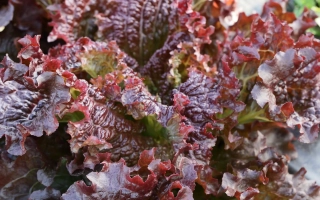
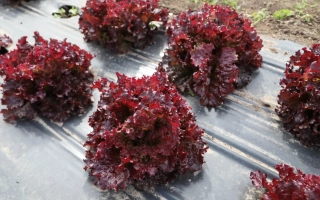
Lel leaf lettuce is a mid-season variety with a maturation period from mass emergence to market readiness, which varies from 36 to 70 days depending on growing conditions. Plants form rosettes with 19–30 leaves, each having a glossy surface, semi-erect shape, and slightly lobed structure. Leaves are tender and juicy, and the outer leaves have a reddish hue, giving the lettuce an attractive appearance. Leaf blade size reaches approximately 18.6 by 16.4 centimeters, and the weight of one plant ranges from 120 to 150 grams.
The Lel variety is characterized by high yield, good transportability, and resistance to cold and diseases, making it suitable for cultivation both in open ground and greenhouses. Additionally, the lettuce tolerates drought well, expanding its cultivation possibilities under various climatic conditions. These qualities ensure a stable and high-quality harvest, in demand on the market.
In addition to excellent agronomic characteristics, Lel lettuce has beneficial properties for health. Its consumption helps improve vision and relieve eye fatigue, strengthens the immune system, lowers cholesterol levels, and accelerates metabolic processes in the body. Due to its combination of taste and health benefits, this variety is an excellent choice for healthy eating.
The Lel variety is characterized by high yield, good transportability, and resistance to cold and diseases, making it suitable for cultivation both in open ground and greenhouses. Additionally, the lettuce tolerates drought well, expanding its cultivation possibilities under various climatic conditions. These qualities ensure a stable and high-quality harvest, in demand on the market.
In addition to excellent agronomic characteristics, Lel lettuce has beneficial properties for health. Its consumption helps improve vision and relieve eye fatigue, strengthens the immune system, lowers cholesterol levels, and accelerates metabolic processes in the body. Due to its combination of taste and health benefits, this variety is an excellent choice for healthy eating.
Video · 1 video
Suggest a video →Specifications hover over for a hint about the specification
| Plant Type | |
|---|---|
|
Color
Color
The leaf color may vary in light-, dark-, gray-green shades with yellow, red, brown or purple pigmentation. |
|
| Head / Rosette; weight | |
|
Maturation Period
Maturation Period
Vegetation period from emergence to technical maturity 30-50 days. |
Medium |
| Registration year | 2020 |
| Catalog | Catalog → Lettuce |
| Legal data |
Show · 1
|
| Country | Ukraine |
Not yet комментариев. Be the first!
Alternatives
Lettuce seeds · similar varieties



See also
Often considered together with this variety



Recently viewed
Products you’ve viewed on this site
Reviews · 0