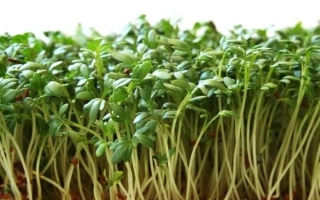
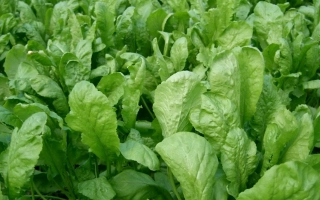
Watercress is a small herbaceous plant from the cabbage family, valued for its rich composition of vitamins and minerals. It contains vitamins C, A, E, K, as well as a complex of B-group vitamins (thiamine, riboflavin, B6, B17), iodine, iron, calcium, potassium, phosphorus, magnesium, and sulfur. Thanks to these micro-elements, it supports the immune system, promotes normal metabolism, and can contribute to lowering blood pressure due to the presence of nitrates.
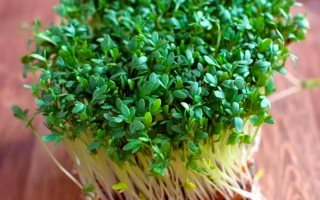
Watercress possesses a number of useful properties: anti-inflammatory, diuretic, calming, antimicrobial, wound-healing, and expectorant effects. Its sharp, mustard-like flavor makes a dish brighter and more saturated. The plant is easy to grow at home: you can sow seeds on damp cotton wool, porous paper towels, or in small bowls with soil, and then place them under a window. Sprouting takes 4–5 days; it is important to regularly ventilate and protect from mold.
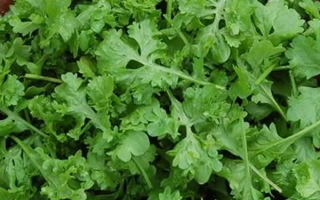
For consumption, watercress is recommended to be added fresh – to salads, pastas, sandwiches, omelets, soups, and sauces. Thanks to the high concentration of vitamins and micro-elements, it helps provide the body with necessary nutrients and can also reduce the risk of developing oncological diseases. Including watercress in the diet is a simple way to enrich nutrition with useful compounds and add a bright flavor to dishes.