


Reference · Crops
Smooth brome
Bromopsis
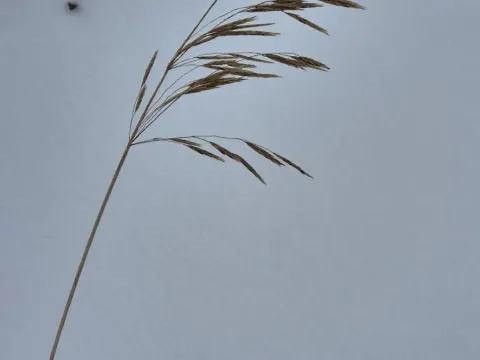
Smooth brome (Bromopsis inermis) belongs to the Poaceae family and is recognized as one of the most valuable perennial rhizomatous grasses for establishing long-term hayfields and pastures.
2
items
What the section contains
Marketplace
Products in this section · 12


Smooth brome
The optimal planting time depends on the region, but early spring is generally the most favorable period once the soil becomes workable after the thaw.
Dormant seeding in late autumn is also a viable option, allowing seeds to undergo natural stratification and emerge uniformly as soon as spring temperatures rise.
The seeding rate varies based on the method: 10–12 kg/ha for row crops, whereas 15–18 kg/ha is recommended for establishing dense forage stands.
Proper seedbed preparation, including rolling before and after planting, is essential to ensure good seed-to-soil contact, which significantly improves germination rates.
This species is highly valued for its exceptional winter hardiness and drought tolerance, making it suitable for a wide range of climatic zones.
While Smooth brome is adaptable, it thrives best on fertile, well-drained loams or silty soils with a neutral or slightly acidic pH level.
The plant is sensitive to prolonged waterlogging, although it can withstand short-term spring flooding for up to two or three weeks without significant damage.
Nitrogen fertilization is critical for maintaining high yields, especially during the early growth stages and immediately after harvesting to stimulate regrowth.
As a long-lived perennial, it can persist in stands for over a decade with proper management, effectively outcompeting weeds through its vigorous root system.
Under optimal management conditions, green biomass yields for Smooth brome can range from 20 to 35 tonnes per hectare depending on fertility and weather.
Hay yields typically reach 5 to 8 tonnes per hectare across two cuttings, provided that adequate soil moisture and nutrient levels are maintained throughout the season.
Seed production in specialized fields can yield 400 to 800 kg per hectare, making it a potentially profitable enterprise for commercial seed growers.
Maximum productivity is usually observed between the third and fifth years of the stand, when the sod becomes well-established and dense.
Neglecting fertilization significantly reduces the overall biomass, emphasizing the need for a consistent mineral nutrition program to sustain production.
Ergot is one of the most concerning diseases, affecting the inflorescences and potentially contaminating the harvest with toxic alkaloids, which lowers forage quality.
Powdery mildew and various rusts may appear in dense stands under high humidity, often leading to reduced photosynthetic efficiency and plant stress.
Insect pests, such as the Hessian fly, can cause significant damage to stems during the early growth phases, leading to stand thinning.
Occasional infestations of grass bugs or other leaf-eating insects can decrease overall forage quality if left unmanaged during the peak growing season.
Effective management strategies include proper crop rotation, timely harvesting to break pest cycles, and the use of certified, clean seed material.
The ideal harvest stage for hay is at the early heading phase, as this period offers the best balance between dry matter yield and nutritional value.
Delaying harvest beyond the flowering stage results in increased stem lignification, significantly lowering protein content and digestibility for livestock.
Seed harvesting should be performed when the panicles turn brown (around 70–80% maturity) using direct combining or swathing methods.
Once harvested, seeds must be cleaned and dried to a moisture content of 14% to prevent molding and heating during long-term storage.
The grass regrows rapidly after mowing, allowing for productive aftermath grazing or a potential secondary harvest if moisture conditions permit.