


SKU #74108
·
58 views
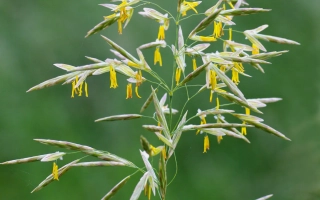
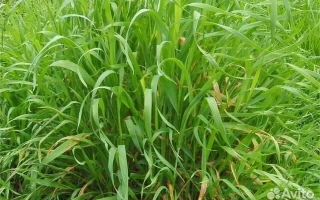
Smooth brome Vesta
Brome Grass
User rating
0 votes0% positive reviews
No ratings yet — be the first.
Assignment
Feed, Pasture
Type
Perennial
Forage Stand Lifespan (Years)
7-10
Registration year
2018
Prices in stores
from2.15 €per 1 kg
pack from 2.15 € per 1 kg
4 offers from 3 stores
Store offers · 4 from 3 stores
Prices are updated on loadLoading offers…
Available at: Огородник · Pchelosad · СоюзАгроКонсалтинг
Aggregator catalog: prices are collected automatically from store websites, normalized by AI and converted at the current exchange rate. Before ordering, confirm the price and availability on the store's website. This block is not indexed by search engines — the data is loaded after the page opens.
About product

Durable and disease-resistant smooth brome, perfect for long-term multi-year pastures.
Assignment
Feed, Pasture
Type
Perennial
Forage Stand Lifespan (Years)
7-10
Registration year
2018
Description
A Sustainable Long-Term Feed Source
The 'Vesta' smooth brome variety, developed by the National Scientific Center 'Institute of Agriculture of NAAS' (Ukraine), is designed to create durable, high-yielding grasslands. Unlike many imported hybrids that require intensive management and frequent reseeding, 'Vesta' demonstrates exceptional survivability: under proper agronomic conditions, the stand remains highly productive for 7 to 10 years.
Agronomic Advantages
The key differentiator of this variety is its natural disease resistance. While most forage grasses lose productivity due to fungal infections, 'Vesta' possesses genetic resistance to brown rust and helminthosporium. This allows farmers to significantly reduce fungicide applications, which is essential for producing high-quality haylage and maintaining safe grazing environments.
Practical Applications
- Forage Use: The variety forms a dense sod and provides high vegetative mass, ensuring stable yields even under challenging climatic conditions.
- Pasture Use: Due to its rapid regrowth capabilities after grazing, 'Vesta' is an excellent choice for long-term pasture management. It is highly palatable for livestock, ensuring superior nutritional value in their daily diet.
Who Should Choose Vesta?
'Vesta' is the ideal choice for agricultural producers looking for a long-term investment in their forage base. It provides a perfect balance between seed cost and pasture longevity. Although 'Vesta' exhibits the slow initial growth characteristic of all smooth brome varieties during the first year, it reaches its full potential by the second season, becoming a reliable, low-maintenance feed source for years to come.
Crop & resistance
Crop
Disease resistance
Specifications hover over for a hint about the specification
| Assignment | |
|---|---|
|
Type
Type
Galia (Galia) type — relatively new, of Israeli origin, although there are indications that this variety may originate from Spain. The fruits of this type are round or oval, weighing about 1 kg. The surface is smooth, covered with a delicate, connected netting, turning yellow whe... |
|
| Forage Stand Lifespan (Years) | 7-10 |
| Registration year | 2018 |
| Catalog | Catalog → Brome Grass |
| Legal data |
Show · 1
|
| Country | Ukraine |
Not yet комментариев. Be the first!
Alternatives
Brome Grass · similar varieties


See also
Often considered together with this variety


Recently viewed
Products you’ve viewed on this site
Reviews · 0