


SKU #74137
·
48 views
FRRSC 1
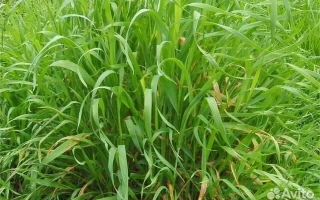
Brome Grass
Feldsaaten Freudenberger GmbH&Co.KGUser rating
0 votes0% positive reviews
No ratings yet — be the first.
Assignment
Feed, Pasture
Type
Perennial
Plant Height
60-80, 80-100
Registration year
2000
About product

A perennial German-bred bromegrass characterized by high regeneration capacity and excellent forage performance.
Assignment
Feed, Pasture
Type
Perennial
Plant Height
60-80, 80-100
Registration year
2000
Description
Biological Potential and Breeding of 'FRRSC 1' Bromegrass
The German breeding school of Feldsaaten Freudenberger GmbH&Co.KG focused on longevity and high regrowth capacity when developing the 'FRRSC 1' variety. As a representative of perennial forage grasses (Bromus inermis), this bromegrass is critical for building a stable fodder base in temperate climate regions.
Technical Aspects of Adaptability
- Morphological Structure: The variety exhibits stand height variability from 60 to 100 cm, depending on nitrogen fertilization intensity and moisture availability. This optimal height range ensures a balance between biomass volume and fiber quality.
- Forage Value: High leaf-to-stem ratio makes 'FRRSC 1' a versatile tool for both hay production and intensive grazing systems.
- Agrotechnical Plasticity: The perennial nature of the variety allows it to form a resilient turf capable of withstanding high livestock grazing pressure without damaging the root system.
The practical value of 'FRRSC 1' lies in its rapid regrowth after mowing or grazing cycles. Thanks to a deep and vigorous root system, the variety efficiently utilizes moisture from lower soil horizons, maintaining green biomass even during summer droughts. This makes it an optimal component for long-term managed pastures.
Crop & resistance
Crop
Specifications hover over for a hint about the specification
| Assignment | |
|---|---|
|
Type
Type
Galia (Galia) type — relatively new, of Israeli origin, although there are indications that this variety may originate from Spain. The fruits of this type are round or oval, weighing about 1 kg. The surface is smooth, covered with a delicate, connected netting, turning yellow whe... |
|
| Plant Height | 60-80, 80-100 |
| Registration year | 2000 |
| Catalog | Catalog → Brome Grass |
| Manufacturer | Feldsaaten Freudenberger GmbH&Co.KG |
| Country | Germany |
Store offers
Prices are updated on loadLoading offers…
Aggregator catalog: prices are collected automatically from store websites, normalized by AI and converted at the current exchange rate. Before ordering, confirm the price and availability on the store's website. This block is not indexed by search engines — the data is loaded after the page opens.
Not yet комментариев. Be the first!
Alternatives
Brome Grass · similar varieties


See also
Often considered together with this variety


Recently viewed
Products you’ve viewed on this site
Reviews · 0