


SKU #70528
·
71 views
MOSCOW RUBIN
Hazelnut
VNIILMUser rating
1 vote100% positive reviews
No ratings yet — be the first.
Nut; Shape
Extended
Registration year
1994
Store offers · 3 from 3 stores
Prices are updated on loadLoading offers…
Available at: AgronomVIP · Evrosag · Царь Сад
Aggregator catalog: prices are collected automatically from store websites, normalized by AI and converted at the current exchange rate. Before ordering, confirm the price and availability on the store's website. This block is not indexed by search engines — the data is loaded after the page opens.
About product

Technological hazelnut variety with high pest resistance and excellent kernel geometry.
Nut; Shape
Extended
Registration year
1994
Description
Technical profile and breeding value of the "Moskovsky Rubin" hazelnut
The "Moskovsky Rubin" hazelnut variety is a product of advanced breeding by VNIILM (Ivanteevsky Forest Selection and Experimental Nursery). This variety was developed with a primary focus on adaptability to mid-latitude climatic conditions, providing it with a competitive edge over southern counterparts.
Morphological features of the fruit
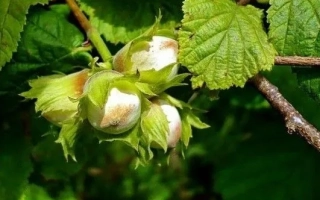
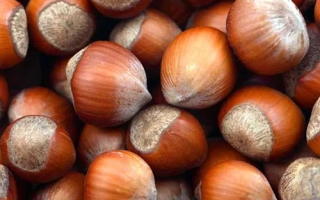
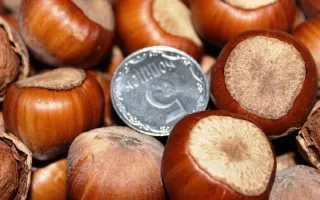
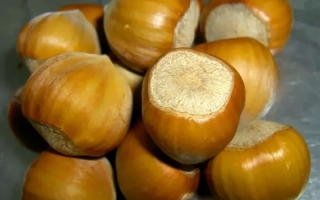
A key characteristic of this model is the shape of the nut: a distinct elongated (cylindrical) geometry. The technical value of this design lies in the optimal ratio of kernel surface area to shell volume, which significantly simplifies industrial calibration and primary processing (shelling). The thin yet durable shell ensures kernel integrity during mechanized harvesting, minimizing the percentage of damaged produce.
Biological resistance and agronomy
The breeding strategy of VNIILM is focused on increasing the immunity threshold against key pests of nut crops. "Moskovsky Rubin" demonstrates high resistance to the nut weevil. This engineering-biological solution allows for a reduction in insecticide treatments, which is a critical factor for lowering production costs and transitioning to eco-friendly cultivation methods.
- Crop type: Hazelnut (Corylus).
- Originator: VNIILM (Ivanteevsky Forest Nursery).
- Fruit geometry: Elongated, uniform.
- Phytosanitary status: Increased resistance to the nut weevil.
Practical application of this variety is most justified in commercial farms aiming for stable yields while minimizing the risks of pest damage. The elongated shape simplifies sorting on automated production lines, making this variety a technological choice for professional horticulture.
Video · 8 videos
Suggest a video →Crop & resistance
Pest resistance
Specifications
| Nut; Shape | |
|---|---|
| Registration year | 1994 |
| Catalog | Catalog → Hazelnut |
| Manufacturer | VNIILM |
| Legal data |
Show · 4
|
| Country | Russia |
Not yet комментариев. Be the first!



See also
Often considered together with this variety


Recently viewed
Products you’ve viewed on this site
Reviews · 0