


SKU #46133
·
65 views
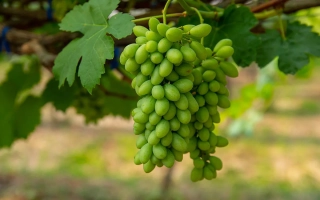
Grape Muscat
Grape
User rating
0 votes0% positive reviews
No ratings yet — be the first.
Usage Group
Technical
Resistance to Mildew
High
Resistance to oidium
Low
Resistance to Gray Mold
Low
About product

A technical variety with a pronounced fruit profile that requires enhanced control of powdery mildew and grey mold.
Usage Group
Technical
Resistance to Mildew
High
Resistance to oidium
Low
Resistance to Gray Mold
Low
Description
Operating the 'Muscadelle' Vineyard
Working with this technical variety requires a clear understanding of its biological limits. Under production conditions, 'Muscadelle' has proven to be a crop with predictable results, albeit with specific agrotechnical requirements. The operator's main task is to compensate for the variety's low genetic resistance to certain pathogens.
Phytosanitary Control and Protection
Despite high tolerance to downy mildew, which simplifies fungicide scheduling in the first half of the season, there is no room for complacency. The primary risk for the owner is powdery mildew and grey mold. Due to low natural resistance to these diseases, skimping on protection will inevitably lead to crop losses during the berry swelling stage. The field maintenance plan must include an intensive schedule of preventive spraying, especially during the active flowering and bunch closure phases.
Agrotechnics and Intended Use
The vine shows stable yields in both northern and southern regions of Ukraine, making it a flexible tool for the winemaker. Bunches weighing 300–500 g are convenient for mechanized harvesting, and the dense structure minimizes losses during transport from field to processing facility. During processing, the variety demonstrates excellent juice yield.
- Processing: The variety is ideal for producing high-quality technical wines and rich natural juices.
- Flavor Profile: Pronounced berry and fruit notes that form a recognizable organoleptic bouquet.
- Recommendation: Monitor canopy density. Due to susceptibility to rot, vine aeration is a critical factor that reduces the load on the plant protection system.
Investing time in proper training and timely treatment against powdery mildew pays off with a stable output of juice with high sugar content and excellent aromatic potential.
Crop & resistance
Crop
Disease resistance
Specifications
| Usage Group | |
|---|---|
| Resistance to Mildew | |
| Resistance to oidium | |
| Resistance to Gray Mold | |
| Bunch Size | Medium (300–500 g) |
| Flavor | |
| Zoning | |
| Assignment | |
| Registration year | 1958 |
| Catalog | Catalog → Grape |
| Country | Ukraine |
Store offers
Prices are updated on loadLoading offers…
Aggregator catalog: prices are collected automatically from store websites, normalized by AI and converted at the current exchange rate. Before ordering, confirm the price and availability on the store's website. This block is not indexed by search engines — the data is loaded after the page opens.
Not yet комментариев. Be the first!
Alternatives
Grapevine saplings · similar varieties





See also
Often considered together with this variety


Recently viewed
Products you’ve viewed on this site
Reviews · 0