


SKU #32991
·
29 views
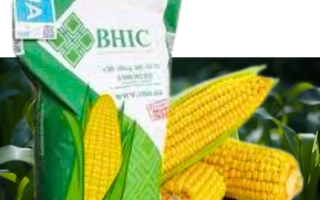
Maize Tavor
Corn
LLC «UNI CORN»User rating
0 votes0% positive reviews
No ratings yet — be the first.
Ripening
90-100 days
Hybrid Type
Simple Hybrid
Kernel Type
Popcorn
Use Direction
Grain, Silage
Prices in stores
from116.19 €per 1 kg
pack from 36.6 € per 315 g
1 offer from 1 store
Store offers · 1 from 1 stores
Prices are updated on loadLoading offers…
Available at: Агро-Якість
Aggregator catalog: prices are collected automatically from store websites, normalized by AI and converted at the current exchange rate. Before ordering, confirm the price and availability on the store's website. This block is not indexed by search engines — the data is loaded after the page opens.
About product

Specialized popcorn hybrid featuring excellent resistance to Fusarium and common smut.
Ripening
90-100 days
Hybrid Type
Simple Hybrid
Kernel Type
Popcorn
Use Direction
Grain, Silage
Description
Niche Farming: Tavor Corn Hybrid
For agricultural producers looking to diversify their crop portfolio, the "Tavor" hybrid from the Ukrainian breeder "Uni Korn" offers a compelling solution. This is not a standard commodity corn; it is a specialized popcorn variety designed to meet the quality standards of the snack industry.
Agronomic Traits and Resilience
Tavor is a simple hybrid with a maturity window of 90–100 days. This early-to-mid maturity allows for flexible rotation planning and helps avoid adverse late-autumn weather conditions. In the field, the hybrid shows robust resistance to the pathogens that threaten yield security:
- Fusarium rot: high tolerance levels protect the ear and maintain grain quality.
- Common smut: strong genetic defense for the stem and inflorescences.
These features help reduce the reliance on intensive fungicide applications, which is a key factor in cost-efficient and sustainable crop management.
Is Tavor Right for Your Farm?
Investing in Tavor is ideal if your business strategy focuses on value-added crops. Given its genetic profile, it is designed specifically for popcorn processing. However, its utility as silage corn makes Tavor a versatile option for farms seeking a balance between a high-value commodity grain and supplemental livestock feed.
Strengths: Short vegetation period, disease-resistant genetics, high-demand grain type. Weaknesses: Requires specific post-harvest drying and storage protocols to preserve the popping quality of the kernels, necessitating precise management during the processing stage.
Crop & resistance
Crop
Disease resistance
Specifications hover over for a hint about the specification
| Ripening | 90-100 days |
|---|---|
| Hybrid Type | |
|
Kernel Type
Kernel Type
Dent corn (Zea mays indentata) — Large, elongated, flat kernels. The endosperm is horny on the sides of the kernel, mealy in the center and at the top. A depression forms at the top of the kernel upon ripening. Dent corn is the most widely cultivated group among others. Plants ty... |
|
|
Use Direction
Use Direction
Dual-purpose hybrids: for silage and grain in all growing regions. These are "stay-green" type hybrids, meaning the plants remain green for a longer period. However, this does not affect the sugar, cellulose, and hemicellulose content, nor the degree of lignification of the plant... |
|
| Registration year | 2022 |
| Catalog | Catalog → Corn |
| Manufacturer | LLC «UNI CORN» |
| Legal data |
Show · 2
|
| Country | Ukraine |
Not yet комментариев. Be the first!
Alternatives
Maize seeds · similar varieties






See also
Often considered together with this variety







Recently viewed
Products you’ve viewed on this site
Reviews · 0