


SKU #69383
·
49 views
Clover MIDDLE RUSSIAN
Clover
Usage Type
Green fodder, Hay, Pasture, Lawn
Vegetation Period
80-110
Plant Height
40-80
Flower Color
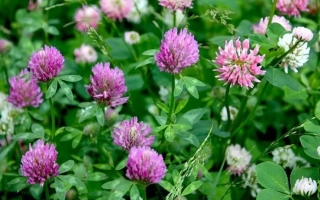
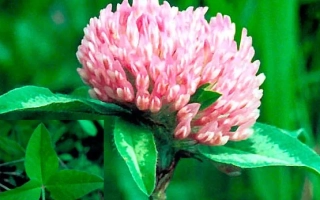
Red, Pink
Your mark
0 votes
0% positive ratings
Store offers · 2 from 2 stores
2 offers in 2 stores — from 1.19 € per 1 kg.
Available at: hcleane-com-ua · servis-opt-com-ua
Prices are collected automatically from store websites and converted at the current exchange rate. Check the price and availability on the store website before ordering.
Description
The Middle Russian meadow clover variety is a late-maturing, single-cut diploid variety distinguished by high winter hardiness and moderate drought resistance. The semi-collapsed bushes reach up to 130 cm in length, featuring soft, sparsely pubescent stems and medium-sized elliptical leaves. Inflorescences are spherical with a diameter of 2.4–3.4 cm; petals are dark red with a pinkish tint, and seeds are yellow-violet. The mass of 1000 seeds ranges from 1.8–1.9 g, and the period from the start of spring regrowth to seed maturation takes 130–140 days.
The Middle Russian variety is characterized by high productivity: green mass yield reaches 35–40 t/ha, while hay yield is 7–8 t/ha. Crude protein content in dry matter falls within 13.2–14.6%. Clover exhibits good resistance to major diseases such as anthracnose, powdery mildew, rust, and fusarium, ensuring its reliable use in agriculture.
This variety is widely applied in agronomy as a plant cover for soil improvement and enhancing the yield of subsequent crops. Middle Russian clover is highly plastic and adaptable, capable of thriving in various natural and climatic conditions, including acidic soils. It is suitable for cultivation both as a monoculture and in mixtures with perennial grasses, providing quality green feed, hay, and silage. Moreover, this variety is an excellent predecessor for winter and spring cereals.
Crop & resistance
Crop
Disease resistance
Specifications
| Usage Type | |
|---|---|
| Vegetation Period | 80-110 |
| Plant Height | 40-80 |
| Flower Color | |
| Green Mass Yield (t/ha) | 30-40 |
| Hay Yield (t/ha) | 6-8 |
| Variety Characteristics | |
| Registration year | 1931 |
| Catalog | Catalog → Clover |
| Legal data |
Show · 1 |
| Country | Russia |
No reviews yet. Be the first to share your experience.


FALENSKY 86
FGBNU Federal Agrarian Scientific Center of the North-East named after N.V. Rudnitsky
036


See also
Often considered together with this variety




Recently viewed
Products you’ve viewed on this site
Reviews