


SKU #61742
·
31 views
Tsyganochka
Cabbage
Ваше хозяйствоUser rating
0 votes0% positive reviews
No ratings yet — be the first.
Plant Type
Leafy cabbage
Direction
Fresh Market
Maturation (seedlings)
80-90 days
Head / head; color
Purple
Store offers · 1 from 1 stores
Prices are updated on loadLoading offers…
Available at: Poisk
Aggregator catalog: prices are collected automatically from store websites, normalized by AI and converted at the current exchange rate. Before ordering, confirm the price and availability on the store's website. This block is not indexed by search engines — the data is loaded after the page opens.
About product

Tsyganochka leaf cabbage is a mid-season variety with a vegetative period of 87 to 90 days. The plant forms an open horizontal rosette of leaves up to 85 cm in diameter and 75-80 cm in height, with several vertical stems. The leaves are large, up to 60 cm long, strongly ruffled, dense, with a characteristic purple-violet or dark burgundy hue and dark red veins, covered with a strong waxy coating.…
Plant Type
Leafy cabbage
Direction
Fresh Market
Maturation (seedlings)
80-90 days
Head / head; color
Purple
Description
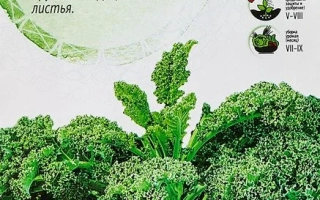
Tsyganochka leaf cabbage is a mid-season variety with a vegetative period of 87 to 90 days. The plant forms an open horizontal rosette of leaves up to 85 cm in diameter and 75-80 cm in height, with several vertical stems. The leaves are large, up to 60 cm long, strongly ruffled, dense, with a characteristic purple-violet or dark burgundy hue and dark red veins, covered with a strong waxy coating. This coloring indicates a high content of anthocyanins—powerful antioxidants—giving the cabbage not only an attractive appearance but also beneficial properties.
The 'Tsyganochka' variety is distinguished by its high resistance to temperature fluctuations: it easily withstands both temperature increases up to +30 °C and drops to -15 °C. The leaves retain their structure and taste qualities even after exposure to cold, becoming even more aromatic and delicate, without bitterness. The plant is unpretentious in care, requiring infrequent but abundant watering, which facilitates its cultivation in various climatic conditions.
The nutritional value of 'Tsyganochka' cabbage is high: it is rich in carotene, B vitamins, vitamin K, as well as microelements—potassium, magnesium, phosphorus, and iron. Due to its high content of plant protein and amino acids, this variety is often used in vegetarian diets as a complete substitute for meat. The yield of the variety varies from 2.4 to 7 kg per square meter, making it attractive for home growing and culinary use.
The 'Tsyganochka' variety is distinguished by its high resistance to temperature fluctuations: it easily withstands both temperature increases up to +30 °C and drops to -15 °C. The leaves retain their structure and taste qualities even after exposure to cold, becoming even more aromatic and delicate, without bitterness. The plant is unpretentious in care, requiring infrequent but abundant watering, which facilitates its cultivation in various climatic conditions.
The nutritional value of 'Tsyganochka' cabbage is high: it is rich in carotene, B vitamins, vitamin K, as well as microelements—potassium, magnesium, phosphorus, and iron. Due to its high content of plant protein and amino acids, this variety is often used in vegetarian diets as a complete substitute for meat. The yield of the variety varies from 2.4 to 7 kg per square meter, making it attractive for home growing and culinary use.
Crop & resistance
Crop
Specifications hover over for a hint about the specification
| Plant Type | |
|---|---|
|
Direction
Direction
Existing varieties and types of cabbage are grown for fresh consumption, long-term storage, and technical processing. |
|
|
Maturation (seedlings)
Maturation (seedlings)
By the length of the vegetation period, cabbage varieties are conditionally divided into three maturity groups: early maturing (100 — 120 days), mid-season maturing (120 — 150 days), and late maturing (more than 150 days). When sowing cabbage seeds in March — April, cabbage seedl... |
80-90 days |
|
Head / head; color
Head / head; color
The color of the head / head depends on the genetic characteristics of the specific cabbage variety. It can vary from light green to dark purple. |
|
|
Cabbage head; mass
Cabbage head; mass
The mass of the cabbage head depends on the variety characteristics and cultivation techniques. It can reach 10 kg and even more. |
2.0-5.0 kg |
| Registration year | 2021 |
| Catalog | Catalog → Cabbage |
| Manufacturer | Ваше хозяйство |
| Legal data |
Show · 2
|
| Country | Russia |
Not yet комментариев. Be the first!
Alternatives
Cabbage seeds · similar varieties





See also
Often considered together with this variety




Recently viewed
Products you’ve viewed on this site
Reviews · 0