
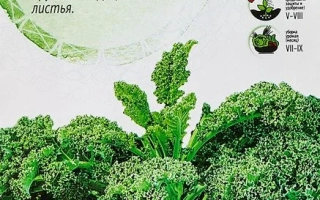

SKU #61963
·
55 views
KERMIT
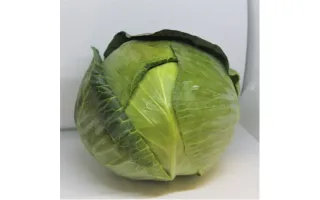
Cabbage
User rating
0 votes0% positive reviews
No ratings yet — be the first.
Plant Type
Leafy cabbage
Direction
Fresh Market
Maturation (seedlings)
80-90 days
Registration year
2021
About product

A professional leaf cabbage variety with predictable maturity dates for the fresh produce market.
Plant Type
Leafy cabbage
Direction
Fresh Market
Maturation (seedlings)
80-90 days
Registration year
2021
Description
Breeding Legacy of VNIISSOK
The 'Kermit' leaf cabbage is the result of dedicated research by VNIISSOK, designed to meet the rigorous demands of the modern fresh produce market. Unlike traditional heading cabbage varieties, this model is a specialized leafy form that has carved out a distinct niche in the health food and restaurant supply sectors. It was developed for growers who prioritize not only high yield but also the commercial presentation of the product on retail shelves.
Agronomic Features
The growing cycle of 'Kermit' lasts 80–90 days from seedling transplanting. This mid-season plant demonstrates consistent performance across various climatic conditions typical for its cultivation regions. Farms targeting supply chains that demand uniformity and aesthetic appeal often opt for this variety due to its reliable leaf structure.
Market Position and Application
Today, 'Kermit' is recognized as a dependable choice for producing high-quality leafy vegetables. Its primary applications include:
- Culinary arts: usage in salad mixes, dish presentation, and side dishes.
- Fresh produce market: its visual appeal makes it highly desirable for grocery retail.
- Healthy eating: high nutritional density makes this cabbage variety a sought-after component for dietary programs.
The reputation of this variety is built on predictable results. By selecting this germplasm from VNIISSOK, producers gain a crop with well-defined maturity characteristics and a habit adapted for intensive farming. For professional agricultural producers, 'Kermit' remains a time-tested solution that minimizes risk when planning shipments of fresh, high-quality produce.
Crop & resistance
Crop
Specifications hover over for a hint about the specification
| Plant Type | |
|---|---|
|
Direction
Direction
Existing varieties and types of cabbage are grown for fresh consumption, long-term storage, and technical processing. |
|
|
Maturation (seedlings)
Maturation (seedlings)
By the length of the vegetation period, cabbage varieties are conditionally divided into three maturity groups: early maturing (100 — 120 days), mid-season maturing (120 — 150 days), and late maturing (more than 150 days). When sowing cabbage seeds in March — April, cabbage seedl... |
80-90 days |
| Registration year | 2021 |
| Catalog | Catalog → Cabbage |
| Legal data |
Show · 1
|
| Country | Russia |
Store offers
Prices are updated on loadLoading offers…
Aggregator catalog: prices are collected automatically from store websites, normalized by AI and converted at the current exchange rate. Before ordering, confirm the price and availability on the store's website. This block is not indexed by search engines — the data is loaded after the page opens.
Not yet комментариев. Be the first!
Alternatives
Cabbage seeds · similar varieties




See also
Often considered together with this variety






Recently viewed
Products you’ve viewed on this site
Reviews · 0