

SKU #70401
·
53 views
Beans ORLETCKIE
Beans
Prices in stores
No offers yet — stores have not added prices for this product yet.
Similar varieties with prices
-
SuperaguadulceSvityaz
from 11.8 €per 1 kg
-
 TEN NEGRIATSAgrofirma Aelita
from 48.24 €per 1 kg
TEN NEGRIATSAgrofirma Aelita
from 48.24 €per 1 kg
-
 PENZENSkiye 16
from 2.63 €per 1 kg
PENZENSkiye 16
from 2.63 €per 1 kg
-
 YANKEL BIALYAgro-Best
from 14 €per 1 kg
YANKEL BIALYAgro-Best
from 14 €per 1 kg
Grain Color
Yellow, Green, Black
Plant Height
Tall (81-120)
Purpose
Feed
Protein content, %
25-27
Your mark
0 votes
0% positive ratings
About product
High-protein fodder bean variety optimized for chernozem soils and efficient forage production.
Description
Technical Profile and Breeding
The «Orletskiye» fodder bean variety is a product developed by the Federal Scientific Center for Leguminous and Cereal Crops. The variety is engineered to prioritize protein yield stability and resilience in specific soil profiles, particularly chernozem (black soil), making it a reliable component for high-intensity agricultural systems.
Agronomic Characteristics
- Plant Morphology: This is a tall-growing variety (81–120 cm). From an engineering perspective, this height is optimal for mechanized harvesting, ensuring sufficient clearance for headers and minimizing cutter-bar losses.
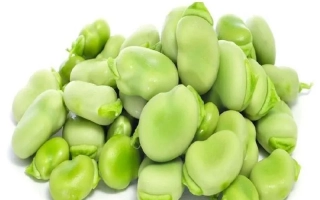
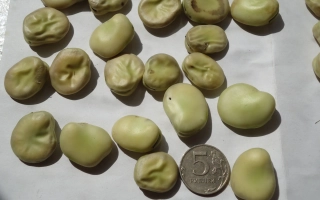
- Seed Diversity: The variety exhibits distinct seed color polymorphism, appearing in yellow, green, and black. This genetic diversity is a reliable indicator of high metabolic plasticity and resilience under varying field conditions.
- Protein Content: The variety consistently maintains a protein content of 25–27%. This specific range is critical for ration balancing in livestock farming, providing a predictable protein input for feed formulation.
Cultivation Requirements
The variety is strictly intended for open-field cultivation. Its physiological traits are best expressed in chernozem soils, which provide the structural depth necessary for the root system to reach full development. In practical terms, the variety's ability to fix atmospheric nitrogen allows growers to reduce dependency on synthetic nitrogen inputs while maintaining high vegetative yields. The balance of its morphological height and high nutrient density makes it a preferred choice for large-scale operations focused on sustainable, high-protein forage production.
Specifications
| Grain Color | |
|---|---|
| Plant Height | Tall (81-120) |
| Purpose | |
| Protein content, % | 25-27 |
| Soil Requirements | |
| Growing Conditions | |
| Registration year | 1993 |
| Catalog | Catalog → Beans |
| Legal data |
Show · 1 |
| Country | Russia |
No reviews yet. Be the first to share your experience.



See also
Often considered together with this variety


Recently viewed
Products you’ve viewed on this site
Reviews