


SKU #38035
·
32 views
Samorodok
Barley
Kirovohrad State AgrarianUser rating
0 votes0% positive reviews
No ratings yet — be the first.
Plant Type
Winter Barley, Spring barley
Culm; Number of Rows
Two-row
Vegetation Period (Maturity)
80-90 days
Registration year
2017
About product

A versatile barley variety with a short vegetation cycle and high resistance to key leaf diseases.
Plant Type
Winter Barley, Spring barley
Culm; Number of Rows
Two-row
Vegetation Period (Maturity)
80-90 days
Registration year
2017
Description
Agrotechnical Potential of the "Samorodok" Variety
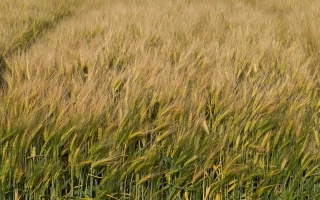
The "Samorodok" barley, bred by the Kirovohrad State Agricultural Experimental Station, serves as a versatile solution for farmers focusing on crop rotation flexibility. The unique advantage of this variety lies in its plasticity: it is adapted for both winter and spring cultivation. This allows growers to hedge risks, enabling a quick transition to spring sowing if winter crops fail to survive the dormant season.
Biological Resilience and Disease Resistance
The development of "Samorodok" focused heavily on phytosanitary stability. The two-row spike variety possesses genetically inherent immunity to key pathogens that typically limit yields across Ukrainian climatic zones:
- Helminthosporiosis: the variety minimizes risks of leaf area loss, which is critical during the grain-filling period.
- Powdery Mildew: effective containment of fungal development reduces the need for multiple fungicide applications.
- Dwarf Rust: ensures the preservation of the photosynthetic apparatus until full maturity.
Production Specifications
With a vegetation period of 80–90 days, "Samorodok" is classified as an early-maturing variety. For an agronomist, this means the ability to evade mid-summer heat stress and harvest high-quality grain before peak temperatures hit. The two-row ear structure promotes uniform grain formation, which facilitates combine harvester calibration during harvesting and minimizes threshing losses.
Field performance indicates a stable response to nitrogen fertilizer application. Importantly, the variety maintains high lodging resistance, providing a distinct engineering advantage when implementing intensive cultivation technologies.
Crop & resistance
Crop
Disease resistance
Specifications
| Plant Type | |
|---|---|
| Culm; Number of Rows | |
| Vegetation Period (Maturity) | 80-90 days |
| Registration year | 2017 |
| Catalog | Catalog → Barley |
| Manufacturer | Kirovohrad State Agrarian |
| Country | Ukraine |
Store offers
Prices are updated on loadLoading offers…
Aggregator catalog: prices are collected automatically from store websites, normalized by AI and converted at the current exchange rate. Before ordering, confirm the price and availability on the store's website. This block is not indexed by search engines — the data is loaded after the page opens.
Not yet комментариев. Be the first!
Alternatives
Barley seeds · similar varieties



See also
Often considered together with this variety


Recently viewed
Products you’ve viewed on this site
Reviews · 0