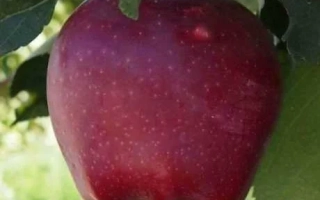
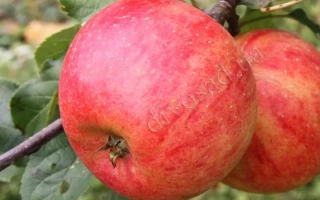
Apple variety Volodymyr Simirenko — a high-yielding winter variety, first described by Ukrainian pomologist L.P. Simirenko in 1880. Trees reach a height of 1.5–1.8 meters and begin bearing fruit on the 3rd–5th year after planting. Fruits are large, weighing 180–200 grams, bright green in color with characteristic rust-colored warts. The flesh is white with a slight greenish tinge, very juicy, tender, and aromatic, with a tangy-sweet flavor in which acidity harmoniously balances sweetness. The variety is highly resistant to brown spot, but requires protection against scab and powdery mildew. The apple tree is low-maintenance: mechanical processing of the root zone, timely pruning, and optional fertilization for increased yield are sufficient. Trees have good drought and wind resistance, making them suitable for cultivation in steppe and forest-steppe zones of Ukraine. Fruits ripen at the end of September to mid-October and exhibit excellent storability, retaining freshness for up to 7 months. Apples are widely used for fresh consumption, as well as for making jams and compotes. Due to their flavor, market appearance, and high yield (up to 100 kg per tree), the Volodymyr Simirenko variety is highly popular among gardeners.