


SKU #46024
·
73 views
Fuji
Apple
Gardens of Ukraine Agrofirm LLCUser rating
0 votes0% positive reviews
No ratings yet — be the first.
Type of Sort
Autumn Apple Variety
Tree; Growth Power
Medium-height
Tree; Canopy Shape
Columnar crown
Fruit; Fruit Shape
Round-cylindrical
Store offers · 2 from 2 stores
Prices are updated on loadLoading offers…
Available at: Agrostore · Ecoveles · Megasad
Aggregator catalog: prices are collected automatically from store websites, normalized by AI and converted at the current exchange rate. Before ordering, confirm the price and availability on the store's website. This block is not indexed by search engines — the data is loaded after the page opens.
About product

Fuji apple is an autumn-winter variety of Japanese origin, developed in the Aomori prefecture. The tree is medium-sized, reaching 3–3.5 meters in height with a compact crown. Flowering occurs in mid-to-late season, reducing the risk of flower bud freezing. Fruit production begins in the third year after planting and is characterized by high yield, though fruit thinning is recommended to improve qu…
Type of Sort
Autumn Apple Variety
Tree; Growth Power
Medium-height
Tree; Canopy Shape
Columnar crown
Fruit; Fruit Shape
Round-cylindrical
Description
Fuji apple is an autumn-winter variety of Japanese origin, developed in the Aomori prefecture. The tree is medium-sized, reaching 3–3.5 meters in height with a compact crown. Flowering occurs in mid-to-late season, reducing the risk of flower bud freezing. Fruit production begins in the third year after planting and is characterized by high yield, though fruit thinning is recommended to improve quality. The variety is self-sterile, so for pollination, it is best to use such varieties as Aidared, Golden Delicious, Gala, Granny Smith, and Ligol. Fuji apples are large, weighing about 200 grams, with a round-oval shape, smooth, thin skin of red-purple color with a matte finish and yellow spots. The flesh is creamy, dense, crisp, and very juicy, with a delicate sweet-sour flavor and honey-like aroma with a refreshing acidity. At harvest time in late October, the apples have a more pronounced acidity, which softens and becomes sweeter and more intense after one month of storage. Due to high natural sugar content and excellent aroma, the fruit is highly popular. The variety is highly frost-resistant and drought-tolerant, making it suitable for various climatic conditions. Apples withstand transportation well and have excellent storability: under normal storage conditions, they remain fresh for four to five months, and with modern refrigeration technologies, they can be stored until the next harvest, retaining their flavor and appearance. The variety has moderate resistance to scab and requires preventive treatments to protect against pests and diseases such as powdery mildew and bacterial burn. The versatility of the fruit allows for consumption fresh, as well as for making juice, jams, preserves, baked goods, and candies.
Crop & resistance
Disease resistance
Specifications hover over for a hint about the specification
| Type of Sort | |
|---|---|
| Tree; Growth Power | |
| Tree; Canopy Shape | |
| Fruit; Fruit Shape | |
| Fruit; Fruit mass | 200-250 grams |
| Fruit; Fruit Color (Base Color) | |
| Fruit; Blush (Blush Color) | |
|
Fruit; flesh color
Fruit; flesh color
Color of the fruit flesh. There are red, pink, yellow, and brown colors. |
|
| Fruit; Taste qualities | 4.5 stars |
| Fruit; Lying | 3-4 months |
| Cold Resistance | |
| Registration year | 2014 |
| Catalog | Catalog → Apple |
| Manufacturer | Gardens of Ukraine Agrofirm LLC |
| Country | Ukraine |
Not yet комментариев. Be the first!
Alternatives
Apple saplings · similar varieties


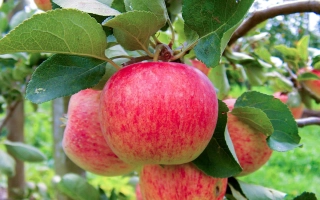
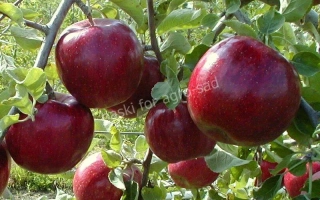
See also
Often considered together with this variety


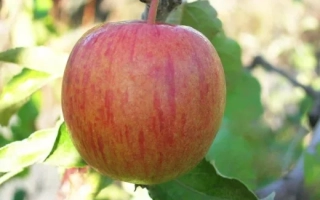

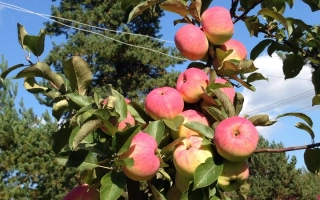
PIONER SEVERA
ФГБНУ Федеральный Аграрный Научный Центр Северо-востока имени Н.В. Рудницкого
041 3 offers
4.31 €per seedling ≈ 223 ₴


TEACHER'S MEMORY
ФГБОУ ВО Омский государственный аграрный университет имени П.А. Столыпина
063 8 offers
2.42 €per seedling ≈ 125 ₴

NESVETAYA GIFT
ФГБОУ ВО Омский государственный аграрный университет имени П.А. Столыпина
056 7 offers
1 €per seedling ≈ 52 ₴

Recently viewed
Products you’ve viewed on this site
Reviews · 0