


SKU #60240
·
48 views
Vasilisa
Apple
SCFSCVVUser rating
0 votes0% positive reviews
No ratings yet — be the first.
Type of Sort
Autumn Apple Variety
Tree; Growth Power
Medium-height
Tree; Canopy Shape
Round Canopy
Fruit; Fruit Shape
Flat-round
Store offers · 1 from 1 stores
Prices are updated on loadLoading offers…
Available at: Семена Буковины
Aggregator catalog: prices are collected automatically from store websites, normalized by AI and converted at the current exchange rate. Before ordering, confirm the price and availability on the store's website. This block is not indexed by search engines — the data is loaded after the page opens.
About product

The Vasilisa apple variety is a late-autumn variety created through selection by the Scientific Center for the Development of Breeding of New Varieties of Cultivated Plants (SKFNCSVV) in collaboration with the Federal Scientific and Production Association "Scientific and Production Association "VNIISPK" by crossing the Prima and Welsh tetraploid varieties. The trees are medium-sized with a round c…
Type of Sort
Autumn Apple Variety
Tree; Growth Power
Medium-height
Tree; Canopy Shape
Round Canopy
Fruit; Fruit Shape
Flat-round
Description
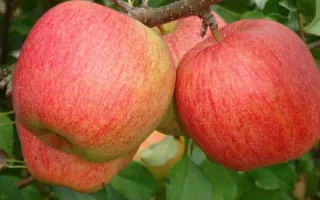
The Vasilisa apple variety is a late-autumn variety created through selection by the Scientific Center for the Development of Breeding of New Varieties of Cultivated Plants (SKFNCSVV) in collaboration with the Federal Scientific and Production Association "Scientific and Production Association "VNIISPK" by crossing the Prima and Welsh tetraploid varieties. The trees are medium-sized with a round canopy of medium density; branches are straight and compactly located, which ensures convenience in care and harvesting. Leaves are elongated, dark green, with finely serrated edges and medium hairiness. Flowers are pink and of medium size. Fruiting occurs mainly on ringlets, fruit spurs, and ends of vegetative shoots, which contributes to high yield and regularity of fruiting. Vasilisa variety fruits are large and very large, weighing about 200 grams, flat-round in shape with a bright crimson skin coloration on a greenish-yellow background. The skin is smooth and dry, with a large number of subcutaneous dots. The flesh is creamy, dense, very juicy with a delicate aroma and a harmonious sweet-sour taste. The content of dry matter is 13.8%, sugars – 10.5%, titratable acids – 0.69%, vitamin C – 13.2 mg/100 g. The fruits ripen at the end of August – beginning of September and are well preserved in the refrigerator for 2–3 months. The main use of the fruits is fresh consumption, as well as processing to obtain juices with a pronounced sweet taste. The variety possesses the Vf (Rvi6) immunity to scab gene, which ensures high resistance to this disease, as well as medium resistance to powdery mildew. The apple tree is frost-resistant and drought-resistant, which makes it suitable for growing in various climatic conditions. The early-fruiting nature of the variety allows obtaining a yield as early as the second year after planting on the M9 rootstock, and with a planting density of 1000 trees per hectare, the yield reaches 30–39 tons per hectare. Among the advantages of the variety are immunity to scab, high productivity, fruit quality, as well as frost- and drought-resistance. The main disadvantage is the need for chemical or manual load regulation, as overloading leads to smaller fruits.
Video · 1 video
Suggest a video →Crop & resistance
Disease resistance
Specifications hover over for a hint about the specification
| Type of Sort | |
|---|---|
| Tree; Growth Power | |
| Tree; Canopy Shape | |
| Fruit; Fruit Shape | |
| Fruit; Fruit mass | 200-250 grams |
| Fruit; Fruit Color (Base Color) | |
| Fruit; Blush (Blush Color) | |
|
Fruit; flesh color
Fruit; flesh color
Color of the fruit flesh. There are red, pink, yellow, and brown colors. |
|
| Fruit; Taste qualities | 4.5 stars |
| Fruit; Lying | 2-3 months |
| Cold Resistance | |
| Registration year | 2013 |
| Catalog | Catalog → Apple |
| Manufacturer | SCFSCVV |
| Legal data |
Show · 2 |
| Country | Russia |
Not yet комментариев. Be the first!
Alternatives
Apple saplings · similar varieties




See also
Often considered together with this variety


Recently viewed
Products you’ve viewed on this site
Reviews · 0