


SKU #60252
·
54 views
Karmen
Apple
SCFSCVVUser rating
0 votes0% positive reviews
No ratings yet — be the first.
Type of Sort
Autumn Apple Variety
Tree; Growth Power
Medium-height
Tree; Canopy Shape
Flat-rounded crown
Fruit; Fruit Shape
Oblong-rounded-conical
Prices in stores
from3.68 €per seedling
pack from 6.45 € per pack
12 offers from 2 stores
Store offers · 12 from 2 stores
Prices are updated on loadLoading offers…
Available at: Зелений Пітомник · Agromir
Aggregator catalog: prices are collected automatically from store websites, normalized by AI and converted at the current exchange rate. Before ordering, confirm the price and availability on the store's website. This block is not indexed by search engines — the data is loaded after the page opens.
About product

The Carmen apple variety is an autumn mid-season variety created by crossing the Prima and Welsi varieties. The tree is of medium height with a vertical crown of medium density and a powerful root system, ensuring a long lifespan and resistance to adverse conditions. The variety is characterized by high frost resistance, resistance to scab and powdery mildew, as well as high drought tolerance. The…
Type of Sort
Autumn Apple Variety
Tree; Growth Power
Medium-height
Tree; Canopy Shape
Flat-rounded crown
Fruit; Fruit Shape
Oblong-rounded-conical
Description
The Carmen apple variety is an autumn mid-season variety created by crossing the Prima and Welsi varieties. The tree is of medium height with a vertical crown of medium density and a powerful root system, ensuring a long lifespan and resistance to adverse conditions. The variety is characterized by high frost resistance, resistance to scab and powdery mildew, as well as high drought tolerance. The apple tree is early-bearing, entering fruit production as early as the second year after planting on rootstocks M9 and SK2, while requiring regular fertilization to maintain health and productivity.
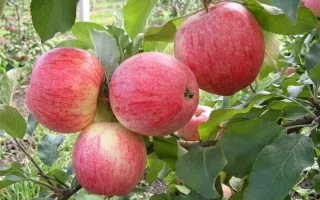
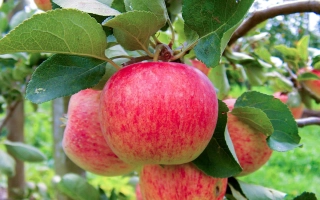
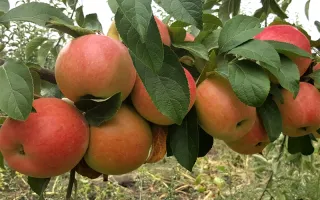
Carmen variety fruits are large, round-conical in shape, weighing up to 200 grams, with a rich bright crimson coloration covering almost the entire fruit at maturity. The flesh is creamy, dense, very juicy, with a delicate aroma and a harmonious sweet-sour taste, rated at 4.7 points. The chemical composition of the fruits includes 15.5% dry matter, 0.45% titratable acids, 11.8% sugars, as well as significant levels of vitamin P (catechins) and C, making the apples not only delicious but also beneficial. Commercial maturity occurs in late August; the fruits have high transportability and can be stored under refrigeration until December, and with proper storage, until January-February, retaining juiciness and taste.
The Carmen variety is suitable both for fresh consumption and for growing in home gardens due to its resistance and the decorative attractiveness of its fruits. The apples have a delicate aroma and an exemplary taste, making them in demand among lovers of quality autumn apples. Due to high resistance to diseases and frosts, as well as good yield, this variety is an excellent choice for gardeners seeking to obtain tasty and healthy fruits with a long storage period.
Carmen variety fruits are large, round-conical in shape, weighing up to 200 grams, with a rich bright crimson coloration covering almost the entire fruit at maturity. The flesh is creamy, dense, very juicy, with a delicate aroma and a harmonious sweet-sour taste, rated at 4.7 points. The chemical composition of the fruits includes 15.5% dry matter, 0.45% titratable acids, 11.8% sugars, as well as significant levels of vitamin P (catechins) and C, making the apples not only delicious but also beneficial. Commercial maturity occurs in late August; the fruits have high transportability and can be stored under refrigeration until December, and with proper storage, until January-February, retaining juiciness and taste.
The Carmen variety is suitable both for fresh consumption and for growing in home gardens due to its resistance and the decorative attractiveness of its fruits. The apples have a delicate aroma and an exemplary taste, making them in demand among lovers of quality autumn apples. Due to high resistance to diseases and frosts, as well as good yield, this variety is an excellent choice for gardeners seeking to obtain tasty and healthy fruits with a long storage period.
Video · 6 videos
Suggest a video →Crop & resistance
Disease resistance
Specifications hover over for a hint about the specification
| Type of Sort | |
|---|---|
| Tree; Growth Power | |
| Tree; Canopy Shape | |
| Fruit; Fruit Shape | |
| Fruit; Fruit mass | 200-250 grams |
| Fruit; Fruit Color (Base Color) | |
| Fruit; Blush (Blush Color) | |
|
Fruit; flesh color
Fruit; flesh color
Color of the fruit flesh. There are red, pink, yellow, and brown colors. |
|
| Fruit; Taste qualities | 4.5 stars |
| Fruit; Lying | Up to 1 month |
| Cold Resistance | |
| Registration year | 2014 |
| Catalog | Catalog → Apple |
| Manufacturer | SCFSCVV |
| Legal data |
Show · 2 |
| Country | Russia |
Not yet комментариев. Be the first!
Alternatives
Apple saplings · similar varieties




See also
Often considered together with this variety


TIKHOMIROV REMEMBER APPLE
BOTANIChESKIJ SAD MGU IM.M.V.LOMONOSOVA
044 3 offers
6.01 €per seedling ≈ 309 ₴


Recently viewed
Products you’ve viewed on this site
Reviews · 0