


SKU #45962
·
59 views
Renet Kuznetsova
Apple
User rating
0 votes0% positive reviews
No ratings yet — be the first.
Type of Sort
Autumn Apple Variety
Tree; Growth Power
Medium-height, Slightly Undergrown
Tree; Canopy Shape
Flat-rounded crown
Fruit; Fruit Shape
Round
Store offers · 1 from 1 stores
Prices are updated on loadLoading offers…
Available at: Pitomnik
Aggregator catalog: prices are collected automatically from store websites, normalized by AI and converted at the current exchange rate. Before ordering, confirm the price and availability on the store's website. This block is not indexed by search engines — the data is loaded after the page opens.
About product

A reliable autumn variety with high scab resistance and a long storage shelf life.
Type of Sort
Autumn Apple Variety
Tree; Growth Power
Medium-height, Slightly Undergrown
Tree; Canopy Shape
Flat-rounded crown
Fruit; Fruit Shape
Round
Description
Practical cultivation experience: key insights
When working with the 'Renet Kuznetsova' apple variety, developed by the M.M. Gryshko National Botanical Garden, agronomists highlight the crop's reliability. As an autumn variety, it fits perfectly into both intensive and hobby orchards due to its manageable size. The tree exhibits restrained growth—ranging from dwarf to semi-dwarf—which significantly simplifies maintenance. The flat-round crown requires minimal pruning, reducing labor time during the season.
Phytosanitary control and winter hardiness
The primary advantage of this variety is its pronounced resistance to scab (Venturia inaequalis). In humid summers, where other varieties require 5-6 fungicide applications, 'Renet Kuznetsova' allows for reduced input costs while keeping foliage and fruit clean. Its high winter hardiness makes it a robust solution for Ukrainian climatic zones with harsh temperature fluctuations: the tree consistently recovers from winter stress.
Harvesting and Logistics
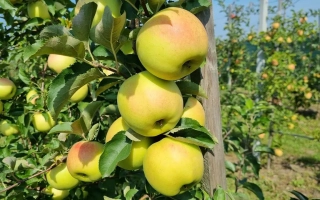
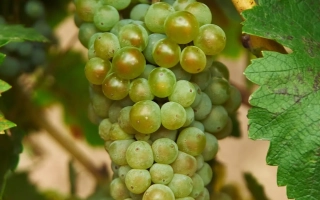
The fruit is round, light green, and features delicate cream-colored flesh with excellent consumer properties. From an orchard manager's perspective, storage capacity is a key metric: a shelf life of 5–6 months allows for marketing the harvest well into the spring. To maintain quality, the fruit requires careful picking and humidity control in storage to prevent the thin skin from shriveling.
- Efficient crown management: minimal labor required for pruning.
- Cost-effectiveness: high natural resistance to scab reduces chemical input costs.
- Stability: excellent tolerance to low temperatures ensures a solid return on investment.
Crop & resistance
Disease resistance
Specifications hover over for a hint about the specification
| Type of Sort | |
|---|---|
| Tree; Growth Power | |
| Tree; Canopy Shape | |
| Fruit; Fruit Shape | |
| Fruit; Fruit Color (Base Color) | |
|
Fruit; flesh color
Fruit; flesh color
Color of the fruit flesh. There are red, pink, yellow, and brown colors. |
|
| Fruit; Lying | 5-6 months |
| Cold Resistance | |
| Registration year | 2022 |
| Catalog | Catalog → Apple |
| Legal data |
Show · 1
|
| Country | Ukraine |
Not yet комментариев. Be the first!
Alternatives
Apple saplings · similar varieties


See also
Often considered together with this variety





Recently viewed
Products you’ve viewed on this site
Reviews · 0