


SKU #45964
·
71 views
Renora
Apple
Julius Kuhn-Institut Federal Research CenUser rating
0 votes0% positive reviews
No ratings yet — be the first.
Type of Sort
Autumn Apple Variety
Tree; Growth Power
Medium-height
Tree; Canopy Shape
Broad-pyramidal crown
Fruit; Fruit Shape
Flat-round
Store offers · 1 from 1 stores
Prices are updated on loadLoading offers…
Available at: Наша Дача · Sadim · Велесів сад · Ycadba
Aggregator catalog: prices are collected automatically from store websites, normalized by AI and converted at the current exchange rate. Before ordering, confirm the price and availability on the store's website. This block is not indexed by search engines — the data is loaded after the page opens.
About product

Apple tree variety Renora — a late-winter German selection variety, distinguished by high resistance to diseases, particularly scab, as well as to low temperatures down to -27°C. Medium-height tree with a spherical, non-overcrowded crown that is easily shaped. Fruit-bearing begins after 3–4 years of planting, with high and stable annual yields. Due to its frost resistance and disease resistance, t…
Type of Sort
Autumn Apple Variety
Tree; Growth Power
Medium-height
Tree; Canopy Shape
Broad-pyramidal crown
Fruit; Fruit Shape
Flat-round
Description
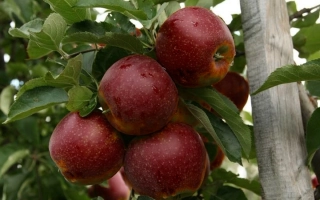
Apple tree variety Renora — a late-winter German selection variety, distinguished by high resistance to diseases, particularly scab, as well as to low temperatures down to -27°C. Medium-height tree with a spherical, non-overcrowded crown that is easily shaped. Fruit-bearing begins after 3–4 years of planting, with high and stable annual yields. Due to its frost resistance and disease resistance, this variety does not require winter protection and is well-suited for cultivation in various climatic conditions, including ecologically clean gardens in Ukraine. The Renora apple fruits are large, oval-shaped, weighing 220 to 270 grams. Their color is green-yellow with a distinct red blush. The flesh is light cream-colored, firm and juicy, with a balanced refreshing flavor dominated by sweetness and a mild acidity. Harvesting occurs in the first decade of October, and the fruits retain their quality for about six months when stored in a regular cellar, making this variety convenient for long-term storage and winter use. The Renora variety is valued for its resistance to adverse conditions and diseases, contributing to its popularity among homeowners and commercial orchards. Due to its high yield, excellent taste, and long storage life, this apple tree is an excellent choice for gardeners seeking quality and flavorful fruits with minimal maintenance.
Video · 1 video
Suggest a video →Crop & resistance
Disease resistance
Specifications hover over for a hint about the specification
| Type of Sort | |
|---|---|
| Tree; Growth Power | |
| Tree; Canopy Shape | |
| Fruit; Fruit Shape | |
| Fruit; Fruit mass | 200-250 grams |
| Fruit; Fruit Color (Base Color) | |
|
Fruit; flesh color
Fruit; flesh color
Color of the fruit flesh. There are red, pink, yellow, and brown colors. |
|
| Fruit; Lying | 5-6 months |
| Cold Resistance | |
| Registration year | 2011 |
| Catalog | Catalog → Apple |
| Manufacturer | Julius Kuhn-Institut Federal Research Cen |
| Country | Germany |
Not yet комментариев. Be the first!
Alternatives
Apple saplings · similar varieties


See also
Often considered together with this variety






Recently viewed
Products you’ve viewed on this site
Reviews · 0