


SKU #45994
·
61 views
Bystrietsya
Apple
User rating
0 votes0% positive reviews
No ratings yet — be the first.
Type of Sort
Winter Apple Variety
Tree; Growth Power
Medium-height
Tree; Canopy Shape
Broad-pyramidal crown
Fruit; Fruit Shape
Oblong-rounded-conical
Store offers · 1 from 1 stores
Prices are updated on loadLoading offers…
Available at: Клуб Органического Земледелия · Олегів сад · Саджанці дерев
Aggregator catalog: prices are collected automatically from store websites, normalized by AI and converted at the current exchange rate. Before ordering, confirm the price and availability on the store's website. This block is not indexed by search engines — the data is loaded after the page opens.
About product

The apple variety Bystrietsia was developed at the Lviv Experimental Station of Horticulture between 1961 and 1969 by crossing the varieties Renet Landsberg and Aport. This variety is intended for winter consumption, as its fruits remain fresh until March, allowing their use during winter and early spring periods. The tree is medium-sized with a wide pyramidal crown of moderate density, and exhibi…
Type of Sort
Winter Apple Variety
Tree; Growth Power
Medium-height
Tree; Canopy Shape
Broad-pyramidal crown
Fruit; Fruit Shape
Oblong-rounded-conical
Description
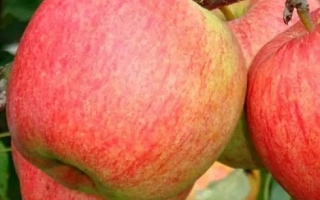
The apple variety Bystrietsia was developed at the Lviv Experimental Station of Horticulture between 1961 and 1969 by crossing the varieties Renet Landsberg and Aport. This variety is intended for winter consumption, as its fruits remain fresh until March, allowing their use during winter and early spring periods. The tree is medium-sized with a wide pyramidal crown of moderate density, and exhibits enhanced winter hardiness, making it suitable for cultivation in cold-climate regions, particularly in the North Caucasus. The fruits of Bystrietsia have medium to large size, weighing from 130 to 180 grams, with a regular broad-conical shape, smooth, medium-density skin that turns greenish-yellow when picked and then becomes light-yellow with an intense red mottled blush covering most of the fruit. The flesh is cream-colored, medium-density, and tender in texture, with a slightly acidic-sweet flavor and moderate aroma. The fruit's calyx is deep with moderate russeting, and the peduncle is straight and medium-length. The variety belongs to the dessert category and is widely used both fresh and as an ingredient in sweet dishes. Bystrietsia is characterized by high and stable yields as well as early fruiting. Despite its enhanced winter hardiness, the variety has low resistance to diseases, particularly scab and powdery mildew, requiring careful care and preventive measures during cultivation.
Crop & resistance
Disease resistance
Specifications hover over for a hint about the specification
| Type of Sort | |
|---|---|
| Tree; Growth Power | |
| Tree; Canopy Shape | |
| Fruit; Fruit Shape | |
| Fruit; Fruit mass | 100-150 grams |
| Fruit; Fruit Color (Base Color) | |
| Fruit; Blush (Blush Color) | |
|
Fruit; flesh color
Fruit; flesh color
Color of the fruit flesh. There are red, pink, yellow, and brown colors. |
|
| Fruit; Lying | 3-4 months |
| Cold Resistance | |
| Registration year | 1995 |
| Catalog | Catalog → Apple |
| Legal data |
Show · 1
|
| Country | Ukraine |
Not yet комментариев. Be the first!
Alternatives
Apple saplings · similar varieties




See also
Often considered together with this variety



Recently viewed
Products you’ve viewed on this site
Reviews · 0