
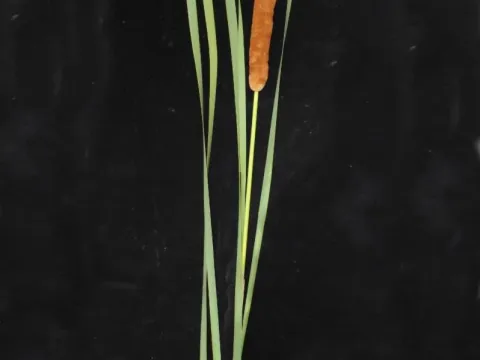
Cape bulrush
Typha capensis
Propagation of Typha capensis is primarily achieved through vegetative division of rhizomes, which is the most reliable method for establishing new populations.
What the section contains
Cape bulrush
Seed sowing can be performed in spring, requiring a moist, nutrient-rich substrate and shallow water to ensure germination and early seedling survival.
When planting rhizome segments, it is recommended to bury them at a depth of 10 to 15 cm in soft, organic-rich soil to prevent displacement by water currents.
Proper spacing during the establishment phase is essential, typically 0.5 to 1 meter apart, allowing the plants to spread and form a continuous cover within two seasons.
In nursery environments, starting plants in containers before transplanting into the final site significantly improves the success rate of the plantation.
Cape bulrush, belonging to the Typhaceae family, is a robust emergent hydrophyte that thrives in various wetland habitats, including marshes and pond edges.
The plant requires high light intensity for optimal photosynthesis and growth; excessive shading by trees or tall shrubs can lead to stunted development.
It prefers soil substrates rich in organic matter and is highly tolerant of fluctuating water levels, though it performs best in permanent shallow water.
Temperature tolerance is broad, as the species is adapted to warm temperate and tropical climates, maintaining metabolic activity between 20°C and 30°C.
Due to its high nutrient uptake capacity, the plant serves as a vital component in constructed wetlands, effectively removing nitrogen and phosphorus from wastewater.
Cape bulrush is highly productive, capable of accumulating substantial biomass in a single growing season due to its efficient carbon fixation pathways.
Yield estimates for sustainable harvesting range between 15 and 25 tonnes of dry matter per hectare, depending on the richness of the aquatic environment.
The rhizomatous growth habit allows for multiple harvests over several years, provided that the root system remains undisturbed and healthy during the cutting process.
The harvested biomass serves various industrial applications, including the production of sustainable insulation materials, biofuel pellets, and traditional artisanal crafts.
Consistent harvest rates contribute to maintaining the vigor of the stand, preventing the over-accumulation of dead organic matter that could lead to habitat decay.
Common biological threats include fungal pathogens like leaf spot and rust, which are most prevalent in dense, poorly ventilated stands during humid periods.
Insects, particularly stem-boring larvae, can damage the structural integrity of the culms, rendering the material unsuitable for high-quality craft purposes.
Mammalian herbivores such as rodents often pose a threat by feeding on the starchy rhizomes, which can significantly damage young or newly established plantations.
Invasive weed species can outcompete Cape bulrush if the water quality is poor or if the site is not managed correctly during the early stages of growth.
Toxic heavy metal accumulation from industrial effluent may, over time, stress the plants and potentially lead to localized decline in vitality.
Harvesting is typically conducted in late summer or early autumn when the stalks reach full maturity and the moisture content drops to manageable levels.
Mechanical harvesting tools, such as aquatic mowers or specialized sickle bars, are used to cut the stems, leaving a stubble height of 10–15 cm.
The harvested stalks are bundled and dried in well-ventilated areas to prevent mold growth, ensuring the quality of the fiber for subsequent processing.
It is important to manage the harvest schedule to avoid damaging the new shoots emerging for the following season, typically ensuring the rootstock remains intact.
Regular maintenance harvesting helps prevent the stagnation of the water body and promotes healthy regeneration of the stand in the following spring.