


Reference · Crops
Bulrush
Typha L.
Bulrush cultivation typically relies on the vegetative division of rhizomes, performed in early spring when temperatures begin to rise.
2
items
What the section contains
Marketplace
Products in this section · 6


Bulrush
Rhizome segments should be planted into moist soil or shallow water beds, ensuring that the root system remains constantly hydrated during the establishment phase.
While seed propagation is possible, it is less common due to the precise requirements for humidity and light needed for successful germination.
The optimal planting density is usually 2 to 4 rhizomes per square meter, allowing for rapid colonization of the designated area.
Proper water management is critical immediately after planting to ensure the survival of new plants before they develop a deep root system.
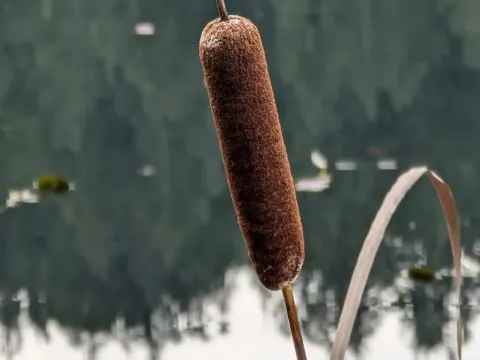
Bulrush belongs to the Typhaceae family and is an obligate wetland species that thrives in water-saturated soils or shallow aquatic environments.
The plant prefers nutrient-rich organic soils, such as silt or peat, which support the high vegetative growth rate characteristic of the genus.
Abundant sunlight is a primary requirement for optimal development, as the plant is sensitive to shading which can inhibit stem elongation.
Bulrush is highly adaptable to various water levels, effectively managing both marshy soil conditions and permanent standing water up to 50 centimeters deep.
The crop shows strong tolerance for varying chemical compositions in water, making it suitable for wastewater treatment systems and natural filters.
Bulrush is increasingly recognized for its high biomass production potential, which can yield between 15 and 25 tons of dry matter per hectare annually.
Consistent yield levels are achieved through cyclic harvesting, which mimics natural disturbance regimes and prevents plant stagnation.
The dry biomass is rich in cellulose, providing a sustainable feedstock for bioenergy applications, such as pelletizing or combustion for heat.
Beyond biomass, the plant is harvested for its insulating properties and use in traditional crafts, enhancing the economic value of the crop.
Productivity is highly correlated with the availability of nitrogen and phosphorus in the aquatic environment, which the plant readily absorbs.
Bulrush stands are relatively resilient, but they can be susceptible to fungal diseases like rust, especially in areas with poor water circulation.
Insect pests, including various species of cattail moths and aphids, can damage the stems and inflorescences, affecting total biomass quality.
Environmental stress, such as extreme drawdown of water levels during the peak growing season, can lead to reduced plant vigor and crop death.
Invasive weed species can outcompete young bulrush plantings, requiring diligent monitoring and management during the first year of establishment.
Effective management includes regular monitoring of plant health and the removal of severely infected sections to maintain the overall stand vitality.
The harvest period for bulrush occurs during late autumn or winter, once the aerial parts of the plant have naturally dried and matured.
Mechanical harvesting tools, often mounted on amphibious vehicles, are used to mow the stalks efficiently while minimizing environmental disruption.
Post-harvest processing involves bundling and drying the material to ensure moisture levels drop below 20 percent, preventing fungal growth in storage.
Winter harvesting is generally preferred as it is easier to access the fields when the ground is either frozen or the water level is stable.
Processed bulrush is then stored in well-ventilated areas, ready to be converted into biofuels or used in industrial manufacturing processes.