
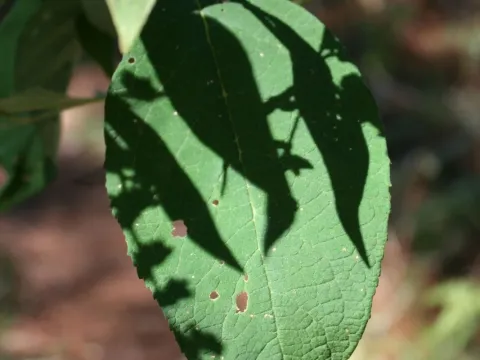
American buddleia
Buddleja americana
American buddleia (Buddleja americana) belongs to the Scrophulariaceae family. It is a robust shrub or small tree species widely recognized for its rapid growth rate in diverse tropical environments.
What the section contains
American buddleia
The plant originates from the tropical regions of the Americas, spanning from Mexico to South America. It thrives in regions with high solar radiation and prefers well-drained soil types to support its extensive root system.
Botanically, it is characterized by opposite leaves with distinct pubescence on the underside and terminal inflorescences composed of small, yellowish, fragrant flowers that bloom periodically throughout the year.
Regarding agrotechnical requirements, the species demands regular pruning to maintain an optimal size and structural integrity. It shows significant adaptability to various soil nutrients, making it relatively low-maintenance in native regions.
In terms of economic value, American buddleia is widely used in traditional medicine for its antiseptic and anti-inflammatory properties. Furthermore, it serves as a critical food source for pollinators, supporting local agro-ecosystems.
The primary cultivation threat is waterlogging, which often leads to root rot diseases. Implementing proper drainage systems is essential for long-term health and productivity of the plantings.
Common pests include aphids and various leaf-eating beetles. Integrated pest management strategies are often required to control population spikes during the peak growing season, ensuring healthy leaf development.