
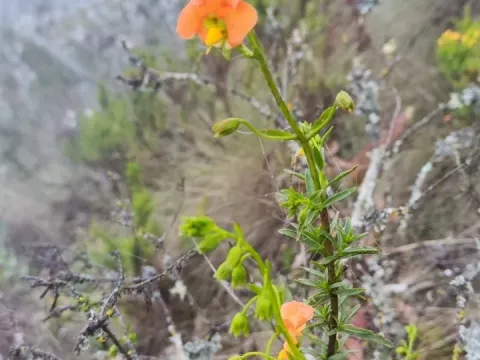
Alonsoa linearis
Alonsoa linearis
Alonsoa linearis is typically sown indoors in March or early April. Using seed trays with a loose, nutrient-rich substrate ensures earlier flowering during the peak summer season.
What the section contains
Alonsoa linearis
When sowing, seeds should be spread over the surface of moist soil and covered very lightly with fine sand or vermiculite. Light is essential for germination, so burying the seeds too deep should be avoided.
The temperature for germination should be kept around 20–22 degrees Celsius. Once the seedlings emerge, slightly lowering the ambient temperature helps prevent leggy growth.
Seedlings are transplanted into open ground only after all risks of frost have passed. In most climates, this occurs in late May or early June, once the soil has sufficiently warmed up.
A spacing of 20–25 centimeters between plants is recommended. Proper spacing is crucial to allow adequate airflow, which significantly reduces the risk of fungal infections in dense plantings.
This crop thrives in well-lit locations with direct sunlight exposure. While it can tolerate partial shade, full sun promotes more vigorous growth and a higher density of flower production.
The soil must be light, well-drained, and moderately fertile. Alonsoa linearis is highly sensitive to waterlogged conditions, which can quickly lead to root rot and plant failure.
As a member of the Scrophulariaceae family, this plant is heat-loving. It prefers temperatures between 18 and 25 degrees Celsius and requires a stable, warm environment for optimal development.
Irrigation should be consistent but measured. Maintaining an even soil moisture level is ideal, as the plant suffers equally from severe drought and excessive moisture around the root zone.
Application of mineral fertilizers is advised during the active vegetative stage every two weeks. High-potassium and phosphorus formulas are preferred to support healthy bloom development throughout the season.
The primary insect pests affecting Alonsoa linearis are aphids and spider mites. These pests tend to multiply rapidly in hot and dry conditions, causing visible damage to the plant foliage.
Root rot is the most common disease associated with improper soil drainage or overwatering. Once established, it is difficult to treat, making prevention through soil management the primary defense.
Powdery mildew may occur if there are sharp fluctuations in air temperature combined with high humidity. This manifests as a white, dusty layer on leaves and requires timely fungicide application.
Whiteflies are a common threat, especially in greenhouse environments or when plantings are too dense. Monitoring regularly allows for the early detection and control of pest populations.
Good agricultural hygiene, such as removing weeds and thinning out dense patches, is essential. Ensuring proper drainage and avoiding overhead watering at night further protects the crop from disease.