
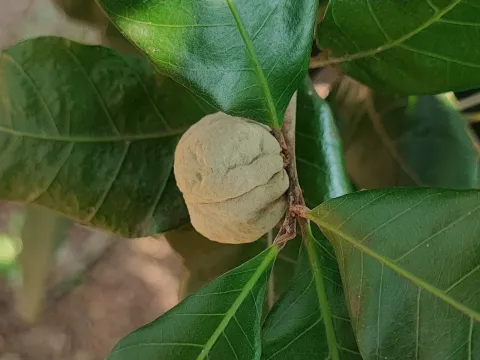
Pouteria glomerata
Pouteria glomerata
Pouteria glomerata, known as a member of the Sapotaceae family, is a tropical tree native to South and Central America. The plant is well-adapted to lowland tropical forests, often thriving in riparian environments where soil moisture remains consistently high throughout the growing season.
What the section contains
Pouteria glomerata
The climate requirements for this culture are strictly tropical, necessitating high temperatures and significant annual rainfall. It does not tolerate frost and thrives best in environments where temperatures remain constant, ensuring continuous physiological activity and consistent development of its vegetative biomass.
Regarding soil conditions, Pouteria glomerata prefers deep, fertile, and well-drained soils. While it exhibits tolerance to alluvial soils common in river floodplains, it requires proper aeration to prevent root hypoxia. Soil pH levels should ideally range between acidic to neutral for optimal nutrient uptake.
Agrotechnical practices for this crop focus on maintaining soil fertility through organic amendments and ensuring adequate spacing to facilitate canopy development. Pruning is essential to manage the tree size, promote light penetration, and ensure that energy is directed towards the formation of high-quality fruit rather than excessive foliage.
The economic utilization of this plant is primarily centered on its edible fruits, which are consumed locally and used in artisanal food production. Furthermore, the tree is recognized for its valuable timber, which is durable and resistant, making it useful for local construction projects and tool manufacturing.
Common threats to Pouteria glomerata include infestations by fruit flies, which can compromise harvest quality significantly. Scale insects and mealybugs also pose a threat by colonizing the underside of leaves and young stems, extracting sap and inducing plant stress, which necessitates integrated pest management strategies.
Fungal infections, particularly those flourishing in humid tropical conditions, represent a significant management challenge. Diseases such as anthracnose can affect both leaves and fruits, making regular orchard monitoring and the application of protective agricultural practices crucial for the long-term viability of the plantations.