
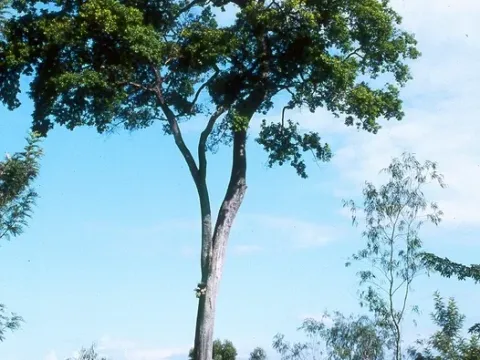
Pouteria altissima
Pouteria altissima
Pouteria altissima is a prominent tropical tree species belonging to the Sapotaceae family. It is recognized for its massive growth habit, typically found within the dense rainforests of West and Central Africa, where it thrives as part of the canopy layer.
What the section contains
Pouteria altissima
The tree requires a strictly tropical climate to prosper, characterized by high humidity levels and constant warmth throughout the year. It does not tolerate frost or cold stress, which significantly restricts its cultivation area to equatorial belts.
Soil requirements for this species are specific: it prefers deep, nutrient-rich soils that offer excellent drainage. The presence of organic matter is vital for its initial growth stages, as the tree relies on a symbiotic relationship with soil microbiota to maximize nutrient uptake.
Agricultural practices for Pouteria altissima focus on reforestation and sustainable timber management. Seedlings require careful site selection to ensure they have adequate access to sunlight while being protected from extreme environmental exposure during their early years.
As the tree matures, it exhibits significant resilience and adaptability to its local ecosystem. Management often involves periodic monitoring for growth rates and ensuring that competition from faster-growing pioneer species is minimized during the establishment phase.
The primary economic value of Pouteria altissima lies in its high-quality timber. The wood is dense, durable, and highly prized in international markets for its strength and fine texture, making it suitable for premium furniture and construction.
Harvesting operations are typically managed through selective logging techniques. This approach is intended to ensure the long-term viability of the population and minimize the ecological footprint within the harvesting areas.
Processing the timber requires advanced machinery due to the wood's high hardness. Craftsmen appreciate it for its ability to retain shape and its resistance to fungal and insect attacks after proper seasoning and treatment.
Beyond timber, the species contributes to the broader ecosystem as a forest component. Efforts to cultivate this species are often integrated into agroforestry systems to restore degraded land and promote biodiversity in tropical habitats.
Sustainable yield management involves long rotation cycles, given the tree's slow growth rate. This necessitates strategic planning for future harvests, ensuring a balance between current economic demand and forest regeneration.