
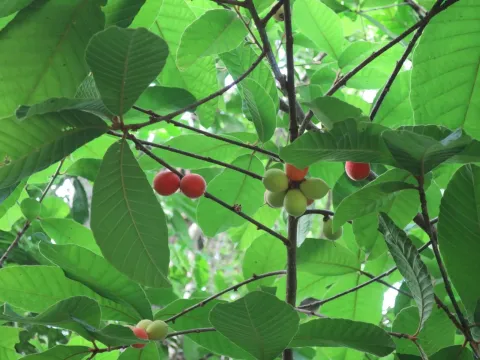
Pouteria alnifolia
Pouteria alnifolia
Propagation of Pouteria alnifolia is primarily achieved through seeds, which should be planted shortly after extraction from the fruit to maintain viability.
What the section contains
Pouteria alnifolia
The seeds are placed into a nutrient-rich, well-draining substrate to ensure optimal germination rates and root development in the nursery phase.
Timing the sowing period with the onset of the rainy season provides the natural moisture necessary for the successful establishment of young seedlings.
Standard nursery practices include maintaining a high-humidity environment and consistent temperatures to support the early growth stages.
Transplanting to the permanent field site typically occurs once the plant has developed a sturdy stem and a robust root system, usually within the first year.
This species belongs to the Sapotaceae family and is native to the tropical ecosystems of Western Africa, thriving in humid forest environments.
Pouteria alnifolia requires a warm, tropical climate with minimal temperature fluctuations throughout the year to remain in a state of active growth.
The soil should be deep and fertile, with a slightly acidic to neutral pH, ensuring that the roots have access to both air and essential nutrients.
Consistent water availability is crucial for this crop, as it does not tolerate prolonged dry spells without supplementary irrigation systems.
It prefers full sun to light shade, provided that the canopy density allows for sufficient air circulation to maintain plant health and photosynthesis.
The economic significance of Pouteria alnifolia centers on its edible fruits, which are highly regarded for their nutritional content and local demand.
The trees typically reach a reproductive age after several years of growth, with yields gradually increasing as the tree develops a wider canopy.
Beyond fruit production, the wood of this tree is known for its durability and is utilized in local carpentry and small-scale construction projects.
Yield management involves regular fertilization and balanced canopy pruning to encourage the formation of fruit-bearing branches in mature trees.
Integrated fruit management ensures that the harvest meets market quality standards, balancing consumer health benefits with sustainable production practices.
Fungal diseases are among the primary threats, especially in areas where high humidity and limited airflow lead to leaf spots and rot conditions.
Various insect pests, including borers and caterpillars, can damage tender foliage and developing fruits, potentially reducing overall crop productivity.
Disease control strategies include the removal and destruction of infected plant parts to prevent the spread of pathogens throughout the orchard.
Root system health must be monitored, as waterlogging frequently leads to severe root rot, which can cause premature tree decline or death.
Maintaining proper tree spacing is a critical agronomic practice that facilitates better ventilation and reduces the risk of pest and disease outbreaks.
Harvesting Pouteria alnifolia is a manual process requiring careful handling to prevent bruising the delicate flesh of the ripe fruits.
Maturity is identified by changes in fruit skin color and texture, signaling the optimal time for harvest to maximize sugar and nutrient content.
Once picked, the fruits should be moved quickly to a cool, shaded area to slow down respiration and prevent rapid post-harvest deterioration.
Sorting and grading are essential steps before shipping, ensuring that only high-quality produce reaches the market for final distribution.
Given the perishability of the fruit, efficient logistics are necessary to ensure the product arrives in top condition for the consumer.