
Planchonella
Planchonella
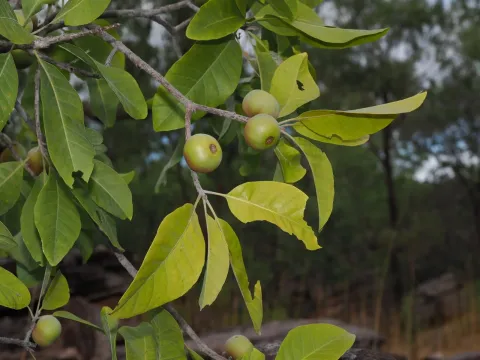
Planchonella is a genus of flowering plants in the Sapotaceae family, encompassing various species of evergreen trees and shrubs. These plants are primarily native to tropical regions, including Southeast Asia, Australia, and the Pacific Islands.
What the section contains
 Planchonella chartacea
Planchonella chartacea
Planchonella chartacea
 Planchonella costata
Planchonella costata
Planchonella costata
 Planchonella duclitan
Planchonella duclitan
Planchonella duclitan
 Planchonella euphlebia
Planchonella euphlebia
Planchonella euphlebia
 Planchonella linggensis
Planchonella longipetiolata
Planchonella longipetiolata
Planchonella linggensis
Planchonella linggensis
Planchonella longipetiolata
Planchonella longipetiolata
 Planchonella maingayi
Planchonella malaccensis
Planchonella malaccensis
Planchonella myrsinodendron
Planchonella myrsinodendron
Planchonella myrsinoides
Planchonella myrsinoides
Planchonella maingayi
Planchonella maingayi
Planchonella malaccensis
Planchonella malaccensis
Planchonella myrsinodendron
Planchonella myrsinodendron
Planchonella myrsinoides
Planchonella myrsinoides
 Planchonella obovata
Planchonella petaloides
Planchonella petaloides
Planchonella obovata
Planchonella obovata
Planchonella petaloides
Planchonella petaloides
 Planchonella pohlmaniana
Planchonella pohlmaniana
Planchonella pohlmaniana
 Planchonella sphaerocarpa
Planchonella sphaerocarpa
Planchonella sphaerocarpa
Planchonella
Botanically, they are characterized by simple, alternate, often leathery leaves and the presence of milky sap in their stems. The flowers are typically small and inconspicuous, often developing into fleshy berries that contain several hard, smooth seeds.
The climate requirements for Planchonella are strictly tropical, necessitating warm temperatures throughout the year. They perform best in environments with high humidity and significant annual rainfall without periods of intense frost or drought.
Soil management for this crop requires well-drained, fertile substrates. While they can tolerate a variety of soil types, including sandy or volcanic soils, they thrive in deep, organic-rich environments where root aeration is maintained.
Cultivation practices involve regular irrigation during drier spells and the application of balanced organic fertilizers to support vegetative growth. Pruning is sometimes performed to manage tree height and improve light penetration within the canopy.
The economic use of Planchonella is largely centered on its fruit production. While many species are wild-harvested, some are increasingly recognized for their potential in local fruit markets due to their unique flavor profiles.
The timber obtained from specific Planchonella species is known for its durability and hardness, making it a valuable resource for local woodworking, furniture construction, and traditional building practices.
Harvesting techniques typically involve hand-picking fruits at the stage of commercial maturity. Because the fruit is delicate and prone to bruising, careful handling during and after harvest is essential for product quality.
Post-harvest logistics are complicated by the perishability of the fruit, which often limits its distribution to local markets. Research into post-harvest physiology is ongoing to extend the shelf life of these exotic products.
Sustainable harvesting of both fruit and timber remains a priority for managing these tropical species. Balancing agricultural extraction with the preservation of native plant populations is key to the long-term success of the crop.